
greater Denver
Metro area


What Size Air Conditioner Do Denver Homes Actually Need?
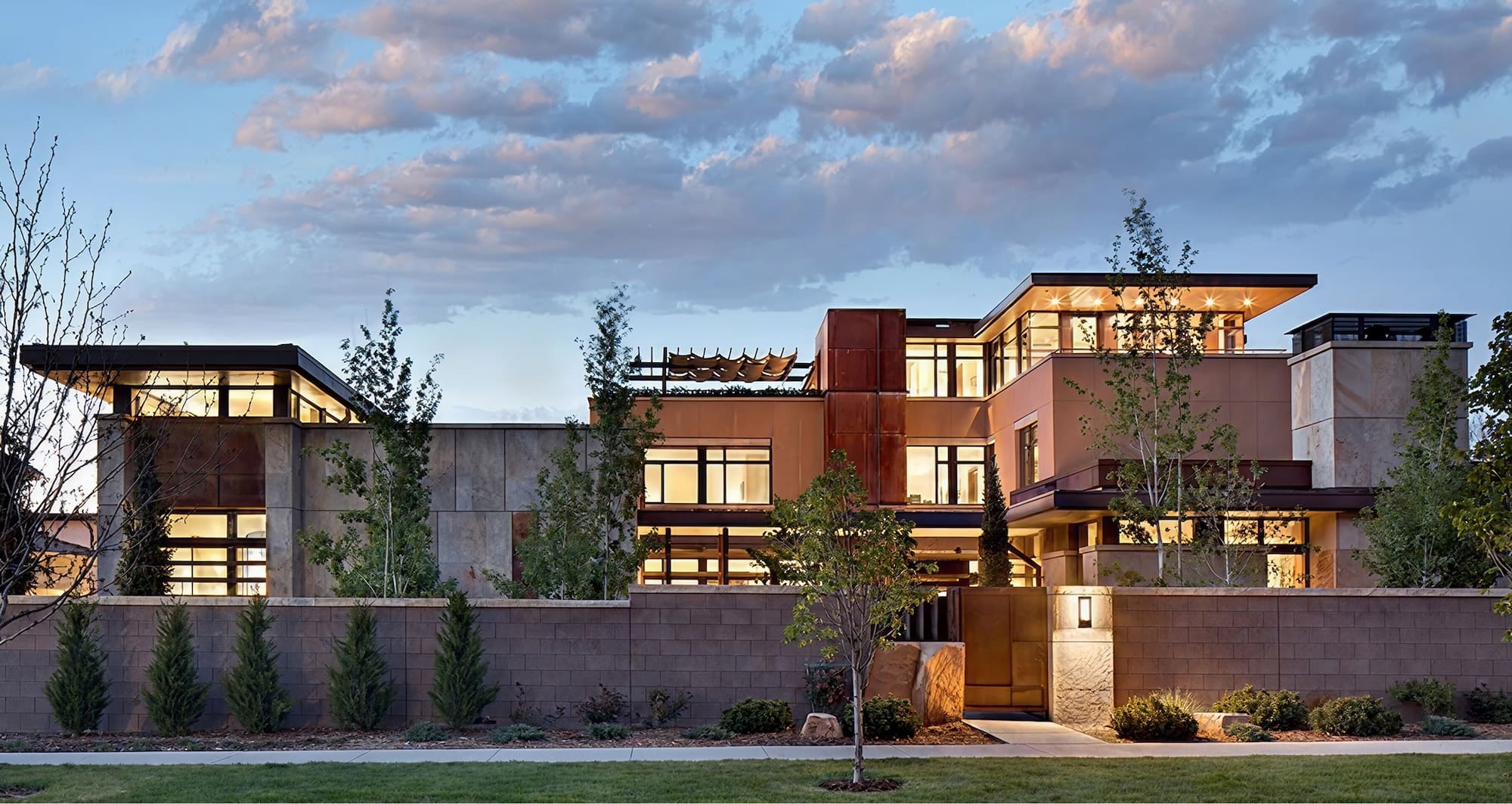
When summer arrives along the Front Range, Denver homeowners rely on their cooling systems to maintain a crisp, refreshing indoor sanctuary. Whether you live in a historic home in Washington Park, a modern build in Cherry Creek, or a custom residence in Highlands Ranch, selecting the right size air conditioner is one of the most critical decisions you can make for your home’s comfort and energy efficiency.
However, determining the correct air conditioner size is not as simple as checking your home’s total square footage. Denver sits at a high elevation where thin air, low humidity, and intense solar radiation create unique heating and cooling challenges.
At Rogers & Sons, we have been engineering custom residential and commercial comfort solutions across the Mile High City since 1978. This guide breaks down why standard rule-of-thumb estimates fail in Colorado, how high altitude affects equipment capacity, and how to determine the exact cooling tonnage your home requires.
The Myth of the Square Footage Rule of Thumb
Inexperienced contractors often use crude estimates to size air conditioners, such as assigning one ton of cooling capacity for every 500 to 600 square feet of living space. A ton of cooling equals 12,000 British Thermal Units (BTUs) of heat removal per hour.
Relying solely on floor space ignores the physical reality of how heat enters and leaves a structure. Two homes with the exact same 2,500-square-foot layout can have wildly different cooling demands based on:
-
Ceiling Volume: A home with 10-foot or vaulted ceilings contains significantly more air volume to cool than a home with standard 8-foot ceilings.
-
Window Glazing and Solar Gain: Large, south- or west-facing glass walls absorb massive amounts of radiant solar heat during sunny Denver afternoons.
-
Insulation and Air Tightness: Modern construction with tight air sealing and high R-value insulation holds cold air far longer than older homes with drafty envelopes.
How Denver Altitude Alters Air Conditioner Sizing
Denver’s mile-high elevation introduces a major thermodynamic factor that sea-level HVAC charts completely ignore: air density.
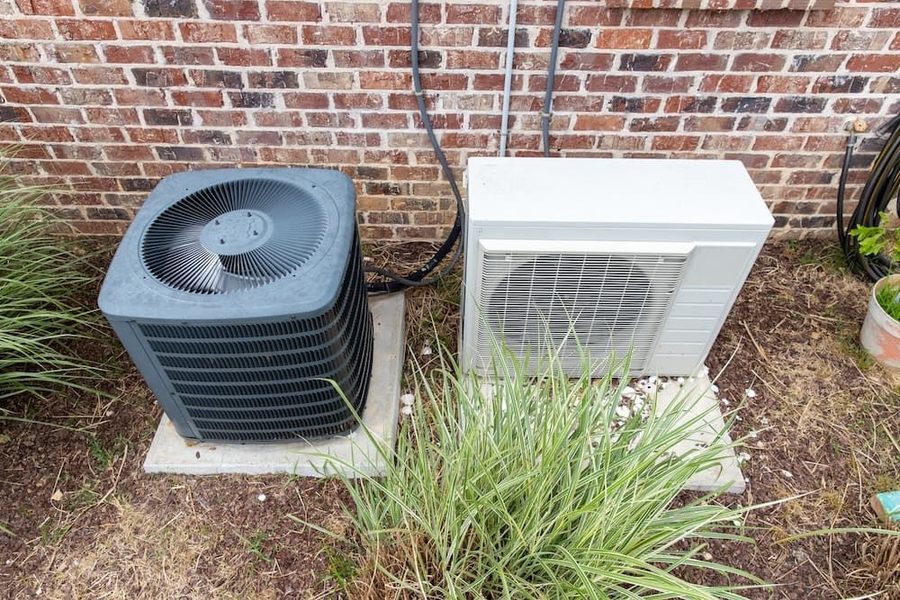
At 5,280 feet above sea level, atmospheric pressure drops, resulting in roughly 17 percent thinner air compared to coastal cities. Because an air conditioner relies on physical air molecules moving across its indoor evaporator coil and outdoor condenser coil to transfer heat, thinner air reduces system efficiency.
An air conditioner rated for 3 tons of cooling at sea level may only deliver roughly 2.5 tons of effective cooling capacity in Denver. If a technician installs an off-the-shelf unit without adjusting for high-altitude capacity loss, your system will struggle to maintain target temperatures during peak July heatwaves.
The Goldilocks Dilemma: Oversized vs. Undersized Systems
Getting the size wrong in either direction leads to ongoing comfort and mechanical problems.
The Hazards of an Oversized Air Conditioner
Many homeowners assume that buying a larger AC unit is a safe bet. In reality, an oversized system cools the air too fast, reaching the thermostat setpoint in brief 5 to 10-minute blasts before shutting down. This rapid on-and-off pattern, known as short-cycling:
-
Creates drastic temperature swings between rooms.
-
Fails to run long enough to pull latent moisture out of the air.
-
Drives up electric bills through continuous high-amp compressor starts.
-
Causes premature motor and capacitor failure.
The Struggles of an Undersized Air Conditioner
Conversely, an underpowered cooling system runs continuously without ever reaching your desired temperature setting. On 95-degree afternoons, the compressor operates under non-stop thermal strain, shortening its total lifespan and causing monthly utility bills to skyrocket.
The Industry Standard: ACCA Manual J Load Calculation
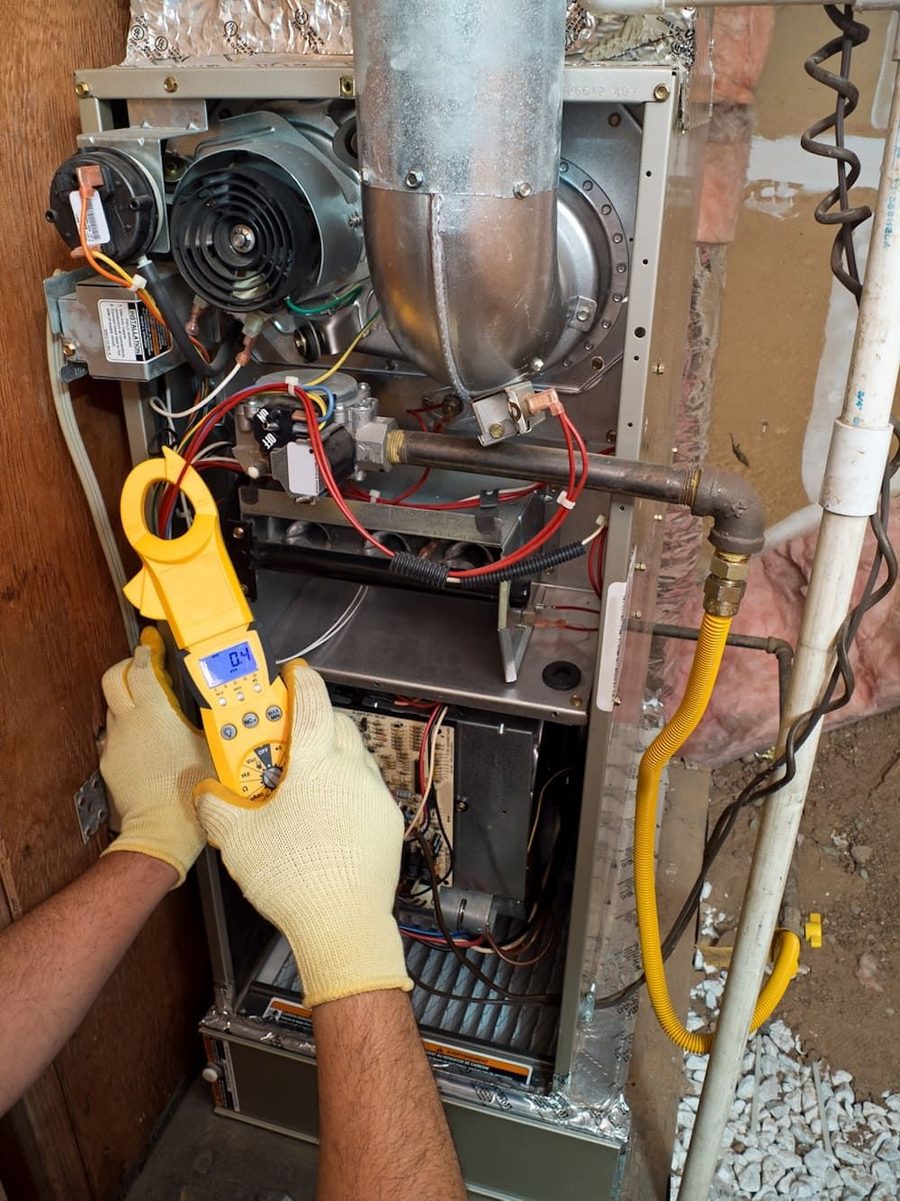
To determine the precise cooling capacity your home needs, a licensed HVAC engineer performs an ACCA Manual J Heat Load Calculation. Rather than guessing, Manual J software evaluates your home as a complete thermal envelope.
Key variables evaluated in a professional load calculation include:
-
Total interior cubic volume (accounting for multi-story layouts and vaulted ceilings).
-
Wall, ceiling, and floor insulation R-values.
-
Window specifications, including Low-E coatings, window orientation, and shading.
-
Building air infiltration rates measured in air changes per hour.
-
Internal heat gains from occupants, lighting, and high-end kitchen appliances.
-
Local elevation derating adjustments tailored specifically to Denver’s atmospheric pressure.
Modern Technology: Variable-Speed Inverter Systems
For luxury and custom homes across the Denver metro area, variable-speed inverter technology offers the ultimate solution to sizing challenges.
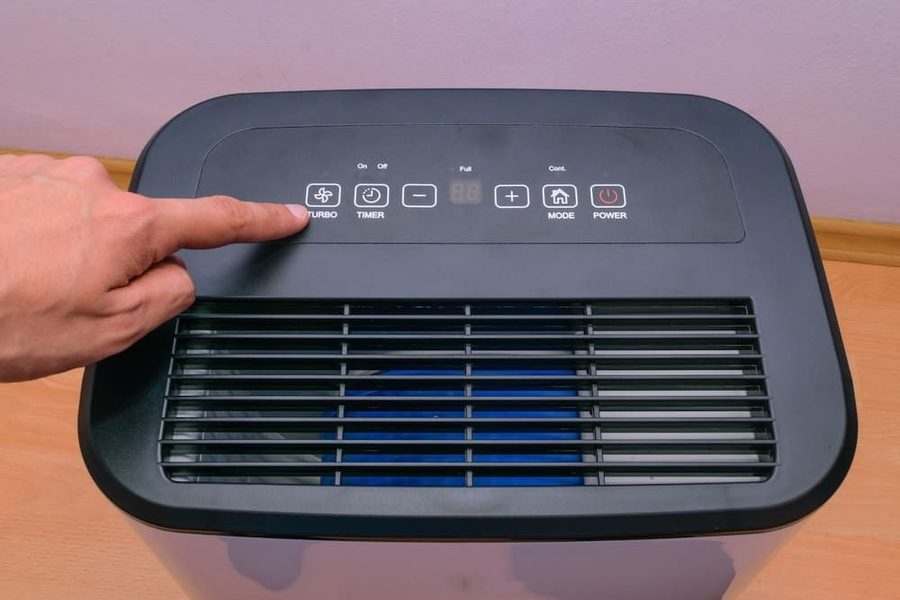
Unlike traditional single-stage systems that operate strictly at 0 or 100 percent capacity, a variable-speed air conditioner or heat pump automatically adjusts its output in precise increments from 25 to 100 percent. On moderate 80-degree days, the system runs on a quiet, low-speed setting, consuming a fraction of the electricity. When intense summer heat hits, the inverter seamlessly scales up capacity to keep your living space perfectly balanced.
Engineer Your Home’s Comfort with Rogers & Sons
Choosing the right air conditioner for your Denver property requires more than picking a model from a brochure. It demands precise engineering, high-altitude calibration, and expert craftsmanship. A custom-engineered cooling system ensures whisper-quiet operation, optimal energy performance, and consistent temperature control across every room in your home.
Our team designs, installs, and maintains custom climate control systems built specifically for Colorado’s climate.
Protect your home investment and experience true precision comfort. Contact Rogers & Sons today!

Here to Help