
greater Denver
Metro area



Do Denver Homes Benefit From Whole-House Humidifiers?
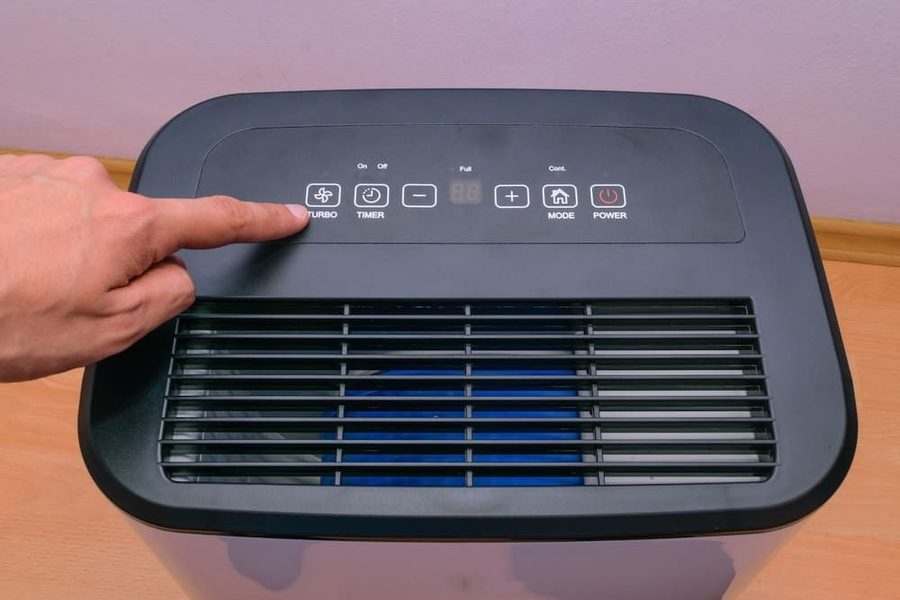
Sitting a mile above sea level along the Front Range, Denver homeowners enjoy over 300 days of sunshine a year. However, living in a high-desert climate comes with a major environmental trade-off: persistently dry air. During Colorado winters, outdoor relative humidity frequently plummets. When your furnace pulls in that already-dry outdoor air and heats it up to 70°F, the indoor relative humidity inside your home can drop below 10% to 15%, a moisture level drier than the Sahara Desert.
While many homeowners attempt to combat dry air by placing portable tabletop humidifiers in bedrooms, single-room units require daily refills, frequent scrubbing, and fail to solve whole-house moisture deficits. Rogers & Sons has been delivering custom heating, cooling, and indoor air quality solutions throughout the Denver metro area for generations. This guide breaks down why Denver’s altitude causes severe indoor dryness, how low humidity affects your health and home, and how a whole-house humidifier keeps your living space comfortable year-round.
The High-Desert Reality: Why Denver Air Is So Dry
Understanding why Denver homes struggle with low humidity comes down to two geographic and thermodynamic factors:
-
Altitude and Elevation: At 5,280 feet, atmospheric pressure is lower, meaning the air naturally holds less moisture vapor than at sea level.
-
Furnace Heating Effect: As your central gas furnace heats cold incoming air, the air’s relative capacity to hold water expands rapidly. Without a dedicated moisture source, heating cold air drives indoor relative humidity down to uncomfortable, health-draining levels.
The ideal healthy indoor relative humidity range is between 30% and 50%. Achieving that benchmark in Denver during winter is virtually impossible without active humidification.
4 Major Benefits of Whole-House Humidification in Denver
Integrating a whole-house humidifier directly into your central HVAC ductwork delivers immediate health, structural, and financial advantages:
1. Relief from Health Issues and the “Colorado Cough”
Extremely dry indoor air strips natural moisture from your skin, eyes, and upper respiratory tract.
-
Respiratory Protection: Dry nasal passages crack easily, making it easier for viruses, bacteria, and allergens to enter your system. Maintaining 35% to 45% humidity keeps mucous membranes hydrated, soothing the chronic “Colorado cough,” dry throats, and nosebleeds.
-
Skin and Eye Comfort: Proper indoor moisture prevents itchy, cracked skin, chapped lips, and dry, irritated eyes during long winter stretches.
2. Lower Heating Bills Through “Real Feel” Thermodynamics
Moist air holds heat far more effectively than dry air. When indoor air is overly dry, moisture evaporates off your skin rapidly, creating an evaporative cooling effect that makes a 70°F room feel like 65°F.
-
Adding proper moisture allows you to set your thermostat 2 to 3 degrees lower without sacrificing warmth.
-
According to energy studies, lowering your thermostat setpoint by just a few degrees can cut your monthly heating bills by 5% to 8%.
3. Protection for Hardwood Floors, Trim, and Valuables
Organic materials like wood lose moisture rapidly in low-humidity environments.
-
Over time, dry air causes historic hardwood floors in Wash Park or Highlands bungalows to shrink, gap, and creak.
-
Dry conditions also warp wooden crown molding, crack solid wood furniture, gap door frames, and throw musical instruments (like acoustic guitars and pianos) out of tune. A whole-house humidifier stabilizes indoor wood structures year-round.
4. Eliminating Nuisance Static Electricity
When indoor humidity drops below 20%, static electricity builds up rapidly. Whole-house humidification eliminates annoying static shocks when touching doorknobs, reduces static cling on laundry, and protects sensitive home electronics from static discharge.
Comparing Whole-House Humidifier Technologies
When selecting a whole-house humidifier for a Front Range property, there are two primary technologies to consider:
Bypass Humidifiers (Evaporative)
-
How It Works: Uses the furnace’s blower fan to divert warm supply air through a moistened water panel (solenoid pad), evaporating water directly into your home’s ductwork.
-
Best For: Small-to-medium-sized modern homes with sealed ductwork and reliable furnace usage.
-
Pros & Cons: Highly energy-efficient and low maintenance, but only adds moisture while the furnace is actively running.
Steam Humidifiers
-
How It Works: Uses internal electrical heating elements to boil water independently, injecting clean, hygienic steam directly into supply ducts.
-
Best For: Larger properties in Cherry Creek or Castle Pines, historic drafty homes in Denver, or households requiring precise, high-capacity moisture control.
-
Pros & Cons: Operates independently of furnace heating cycles and destroys waterborne bacteria through boiling, but carries a higher upfront equipment cost.
Portable Units vs. Whole-House Systems
Portable Single-Room Humidifier
-
Coverage Area: 1 Single Bedroom (200–400 sq. ft.)
-
Water Source: Manual daily tank refills required
-
Noise Level: Moderate fan and gurgling motor noise
-
Maintenance: Frequent cleaning required to prevent mold/white dust buildup
-
Home Value Impact: None
Integrated Whole-House Humidifier
-
Coverage Area: Entire Home (1,000–5,000+ sq. ft.)
-
Water Source: Direct plumbed water line (Zero manual filling)
-
Noise Level: Silent operation through ductwork
-
Maintenance: Simple annual water panel replacement during routine HVAC service
-
Home Value Impact: Permanent indoor air quality upgrade
Elevate Your Denver Home’s Indoor Comfort
Living in the Mile High City doesn’t mean you have to tolerate itchy skin, static shocks, and dry, uncomfortable indoor air every winter.
Integrating a whole-house humidifier into your central heating system creates a healthier, more comfortable living environment while protecting your hardwood floors and lowering monthly heating costs.
Breathe easier and protect your home today. Contact Rogers & Sons to schedule your whole-house dehumidifier service!


Here to Help