
greater Denver
Metro area


Hot Water Works, but Radiators or Radiant Floors Are Cold? Here’s Why
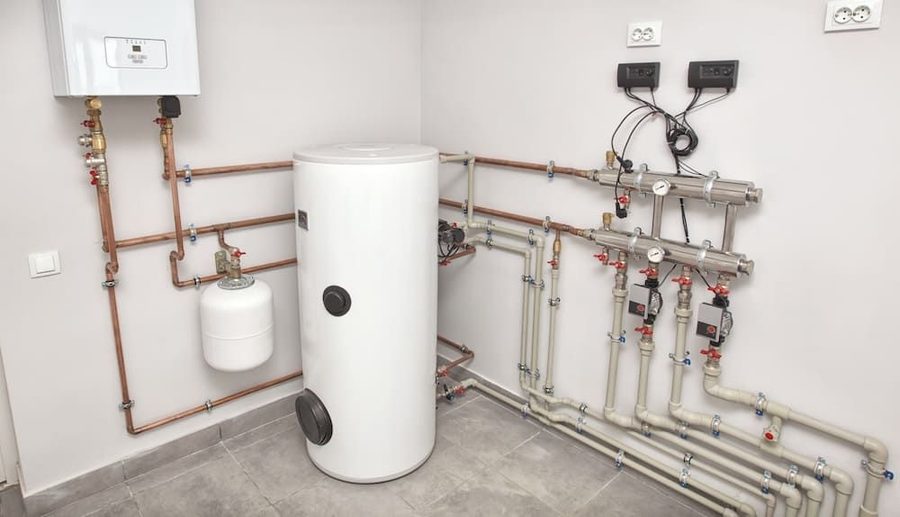
You turn on the faucet and have plenty of hot water, but your radiators are cold or your radiant floor heating isn’t working. If your boiler is producing hot water, why isn’t that heat reaching your home or business?
For Denver property owners with hydronic heating systems, one possible explanation is a malfunctioning zone valve. These valves help control where heated water flows, and when one fails to open, certain rooms or entire heating zones may remain cold even though domestic hot water is available.
Understanding how your heating system works can help you recognize potential problems and know when to call a professional for boiler or radiant heating repair.
Why Do I Have Hot Water but No Heat From My Radiators or Radiant Floors?
If your faucets have hot water but your radiators or radiant floors aren’t heating, a zone valve that isn’t opening may be preventing heated water from circulating through the affected heating zones.
Many hydronic heating systems have separate controls or circuits for domestic hot water and space heating. This means your sinks and showers can still receive hot water even when heated water isn’t reaching your radiators or radiant flooring.
However, a faulty zone valve isn’t the only possible cause. Thermostat problems, circulator pump failures, trapped air, and boiler control issues can produce similar symptoms.
How Does a Hydronic Heating System Work?
Hydronic heating systems use heated water to warm indoor spaces.
A boiler heats water that circulates through radiators, baseboard heaters, or tubing installed beneath the floor. As the heated water travels through these components, it transfers warmth into the surrounding space.
Many Denver homes and commercial buildings have multiple heating zones, allowing different areas to maintain separate temperatures.
Depending on the system, water circulation may be controlled by motorized zone valves, individual circulator pumps, or a combination of components.
Domestic Hot Water vs. Space Heating
Domestic hot water supplies your faucets, showers, and other plumbing fixtures. Hydronic space heating circulates heated water through radiators or radiant floor tubing.
Some boilers provide both services through separate circuits, an indirect water heater, or a combination boiler. Other buildings use completely separate equipment for domestic hot water and heating.
Having hot water at your faucets doesn’t necessarily mean your space-heating system is working properly.
What Is a Boiler Zone Valve?
A zone valve is a component that controls the flow of heated water into a specific heating area.
When a thermostat calls for heat, the heating controls signal the appropriate zone valve to open. Once the required operating conditions are met, heated water can circulate through that zone.
When the heating demand ends, the valve typically closes.
What Happens When a Zone Valve Won’t Open?
If a zone valve remains closed, heated water may not reach the affected radiators or radiant floor loops.
You might notice that:
-
One section of your building stays cold.
-
Other heating zones work normally.
-
The thermostat calls for heat without warming the room.
-
Domestic hot water remains available.
-
The boiler appears to operate, but heat isn’t reaching certain areas.
These symptoms can point toward a zone valve problem, although professional diagnosis is needed to confirm the cause.
Why Would a Heating Zone Valve Stop Working?
Several mechanical or electrical problems can prevent a zone valve from opening.
Failed Valve Motor or Actuator
Many zone valves use an electrically operated motor or actuator to open and close.
If that component fails, the valve may remain closed even when the thermostat requests heat.
Stuck or Damaged Valve
Internal valve components can become stuck or damaged, preventing the valve from opening properly.
A functioning actuator doesn’t always mean water can flow through the valve.
Thermostat or Wiring Problems
A zone valve depends on receiving the correct control signal.
If the thermostat, wiring, relay, or control board malfunctions, the valve may never receive the instruction to open.
End Switch Problems
Some zone valves include an end switch that signals other heating components after the valve reaches its open position.
If the switch or associated controls fail, the boiler or circulator may not respond correctly to a heating request.
Signs Your Radiator or Radiant Floor Zone Valve May Be Failing
A malfunctioning zone valve can create noticeable heating differences throughout your property.
Common warning signs include:
-
Radiators that remain cold in one heating zone
-
Radiant floors that don’t warm up
-
One thermostat-controlled area staying colder than others
-
Heating that starts inconsistently
-
A thermostat calling for heat without a temperature increase
-
Working domestic hot water despite missing space heating
A single cold radiator doesn’t automatically indicate a failed zone valve. Localized restrictions, trapped air, or a closed radiator valve can cause similar problems.
Could Something Else Be Causing the Heating Problem?
Although zone valves are an important troubleshooting consideration, other hydronic heating components can also affect circulation.
Circulator Pump Problems
Circulator pumps move heated water through the heating system.
If a pump fails or doesn’t operate when needed, the affected heating circuit may not receive adequate water flow.
Air Trapped in the Heating System
Air pockets can interfere with circulation, leaving radiators partially cold or preventing radiant floor loops from heating evenly.
Low Boiler System Pressure
Some closed-loop hydronic systems require a specific operating pressure to circulate water properly.
Low pressure may contribute to heating problems, particularly in certain areas of a building.
Boiler or Control Malfunctions
A boiler may fail to respond to a space-heating request even when domestic hot water remains available.
For example, some combination boilers can continue producing domestic hot water while experiencing problems with their space-heating controls.
Restricted Water Flow
Closed valves, flow restrictions, or balancing problems can also prevent adequate heat from reaching certain radiators or radiant floor areas.
What Can You Check Before Calling for Heating Repair?
If your Denver home or business has hot water but no radiator or radiant floor heat, a few basic checks may help narrow down the problem.
Start with these steps:
-
Check the thermostat. Make sure it’s set to heating mode and the desired temperature is above the current room temperature.
-
Review thermostat schedules. Confirm that programmable settings aren’t preventing a heating request.
-
Identify affected areas. Determine whether one heating zone or the entire building lacks heat.
-
Check domestic hot water. Note whether faucets and showers still receive hot water.
-
Look for visible leaks. Check accessible areas around heating equipment without touching hot or electrical components.
Avoid forcing zone valves, opening boiler components, adjusting electrical wiring, or bypassing safety controls.
Hydronic heating systems contain hot water and may operate under pressure, making professional troubleshooting important.
How Does a Professional Diagnose a Faulty Zone Valve?
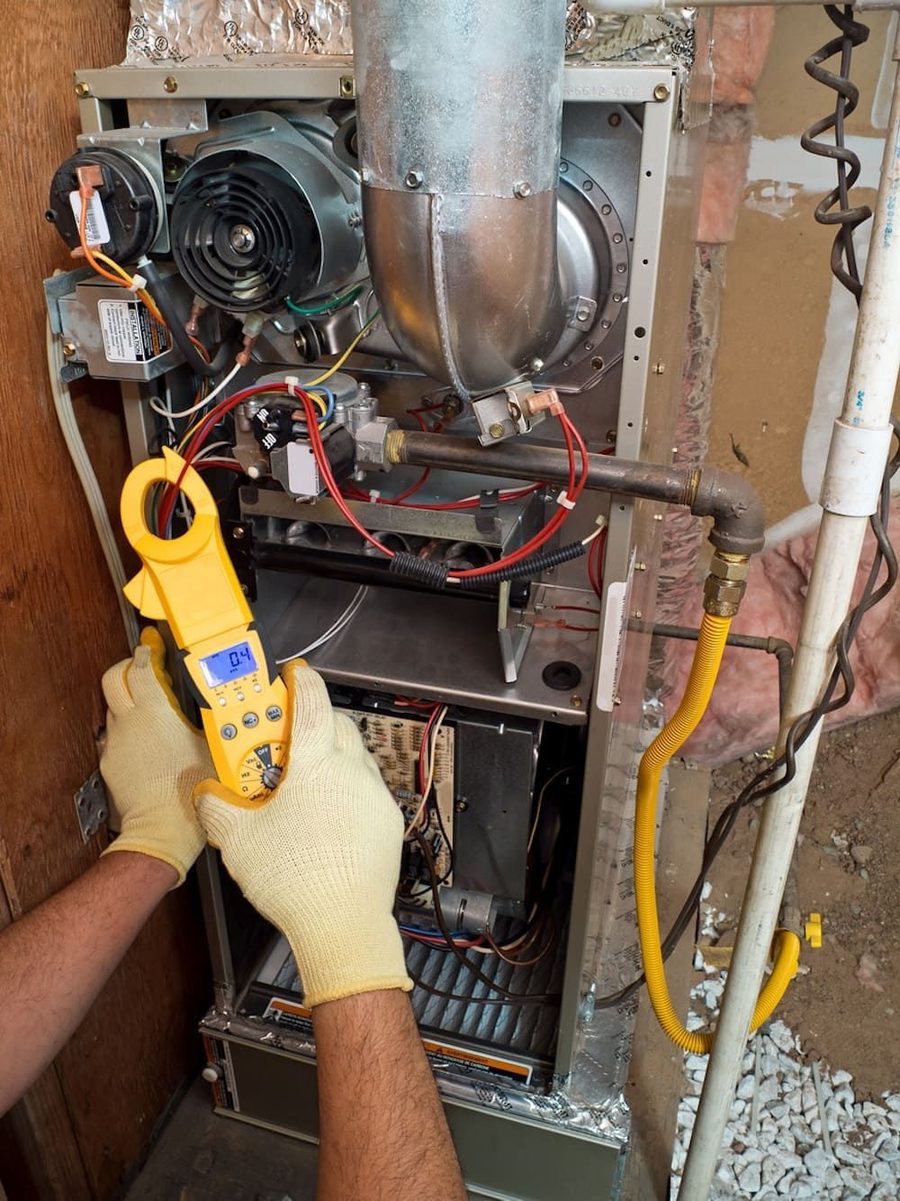
A qualified heating technician can determine whether the problem involves the zone valve or another system component.
Depending on the equipment, troubleshooting may include:
-
Confirming the thermostat is calling for heat
-
Checking whether the zone valve receives the proper signal
-
Evaluating the actuator or motor
-
Inspecting valve operation
-
Testing applicable end switches and controls
-
Checking circulator pump operation
-
Verifying water circulation through the affected zone
This process helps identify the actual source of the problem rather than replacing components unnecessarily.
Can a Faulty Zone Valve Be Repaired?
Whether a zone valve can be repaired depends on its design and the nature of the failure.
Some systems allow technicians to replace a failed actuator or motor head without replacing the entire valve assembly.
If the valve body is stuck, damaged, or leaking, more extensive repair or replacement may be necessary.
If the problem involves thermostat wiring or another control component, the zone valve itself may not need replacement.
Professional diagnosis helps determine the most appropriate solution.
Why Address Hydronic Heating Problems Before Denver’s Winter?
Denver winters bring freezing temperatures that can make unreliable heating especially disruptive.
A cold radiator or radiant floor zone may affect comfort in bedrooms, offices, commercial spaces, or other occupied areas.
Extended heating loss during freezing weather can also increase the risk of frozen plumbing in vulnerable parts of a building.
Addressing circulation and zone control problems early can help restore consistent heating before colder temperatures arrive.
When Should You Call for Boiler or Radiant Heating Repair?
Schedule professional heating service if:
-
One or more heating zones remain cold.
-
Your thermostat calls for heat without warming the space.
-
Domestic hot water works, but radiators or radiant floors don’t.
-
Heating performance becomes inconsistent.
-
Your boiler displays error messages or repeatedly shuts down.
-
You notice leaks or unusual equipment noises.
If you suspect a gas leak or a carbon monoxide alarm activates, follow emergency safety procedures rather than attempting routine troubleshooting.
Restore Reliable Radiator and Radiant Floor Heating With Rogers & Sons
Having hot water at your faucets doesn’t guarantee that your radiators or radiant floor heating system is operating correctly. A zone valve that isn’t opening may be preventing heated water from reaching the areas that need it.
Whether the problem involves a failed zone valve, circulator pump, thermostat, or another hydronic heating component, identifying the cause is the first step toward restoring reliable comfort.
Rogers & Sons provides professional heating services for homes and businesses throughout Denver and surrounding Colorado communities.
Contact Rogers & Sons today to schedule professional hydronic heating troubleshooting and get your radiators or radiant floors working properly again.


Here to Help