
greater Denver
Metro area



Is Your AC Ready for the First 90°F Day? The Essential Q2 Maintenance Checklist
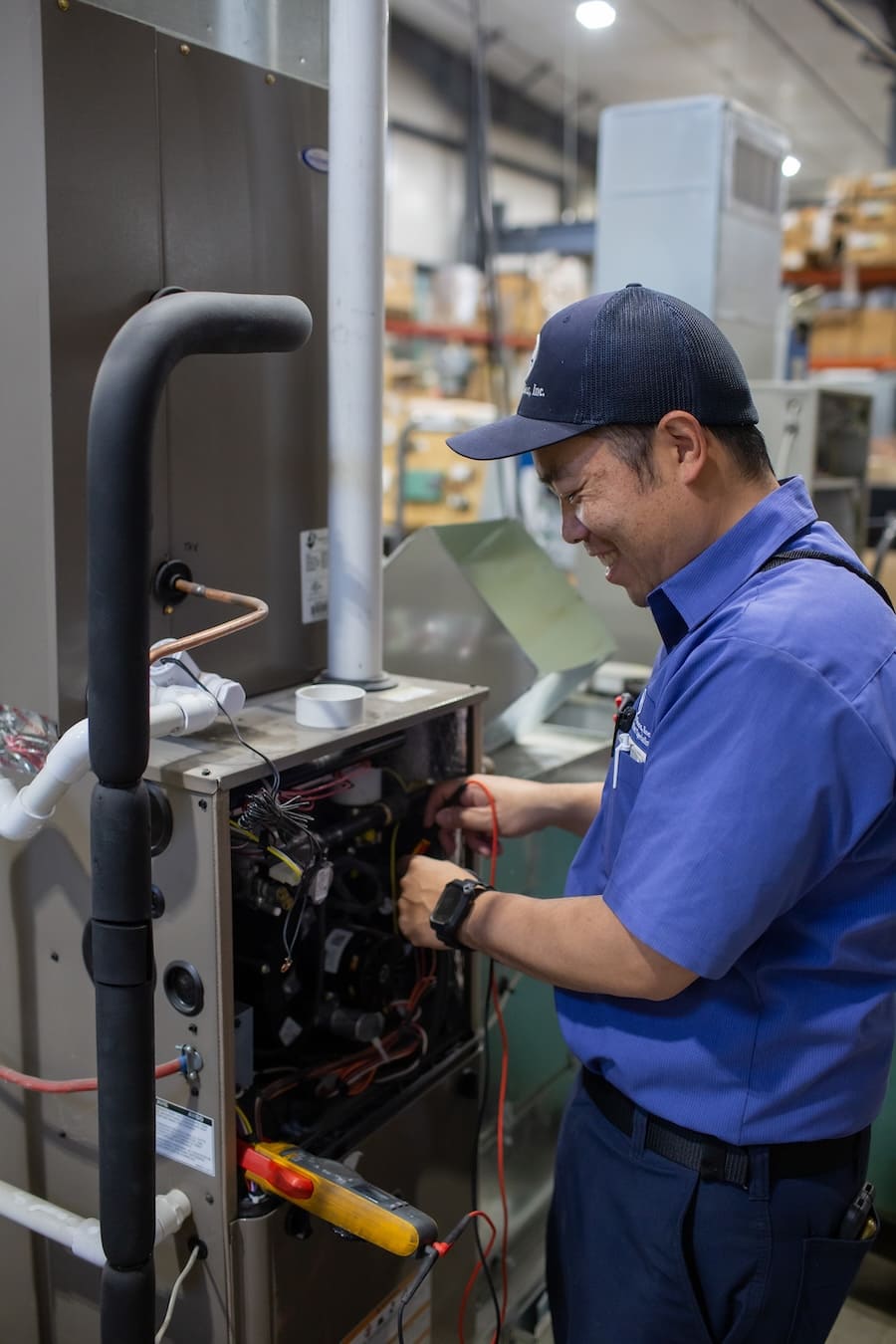
Summer is officially arriving along the Colorado Front Range, bringing a dramatic shift to our local weather. The unpredictable spring mountain snows have finally cleared away, replaced by intense, high-altitude sunshine. While we might still enjoy a few crisp mornings, the first true ninety-degree heat waves of the year are rapidly moving into the region.
As the June heat settles across the Denver metro area, your central air conditioner or heat pump transitions instantly from seasonal dormancy to maximum capacity. Forcing an unmaintained cooling grid to run a summer marathon without a proactive checkup is a high-stakes gamble. If your system is choked with hidden winter dust or suffering from a weak electrical capacitor, it will fail rapidly under the pressure of these first severe heat spikes. Rogers & Sons has been delivering premier, engineered home comfort solutions across Colorado since 1978. This essential Q2 maintenance checklist outlines the critical system audits required right now to secure your summer performance and protect your household budget before the thermometer climbs any higher.
The Q2 Performance Audit: Your Essential Summer Pre-Check
A professional maintenance visit involves executing deep electrical, chemical, and mechanical diagnostics across your home comfort network. Catching small, hidden component slippage early prevents catastrophic mid-summer shutdowns.
The Technical Inspection Points That Secure Your System
- Calibrating Refrigerant Charge Levels: Technicians measure the internal pressure and temperature of your cooling lines to verify that your system holds the exact factory-spec volume of refrigerant. Running a unit with a low charge forces the compressor to work twice as hard, destroying your energy efficiency.
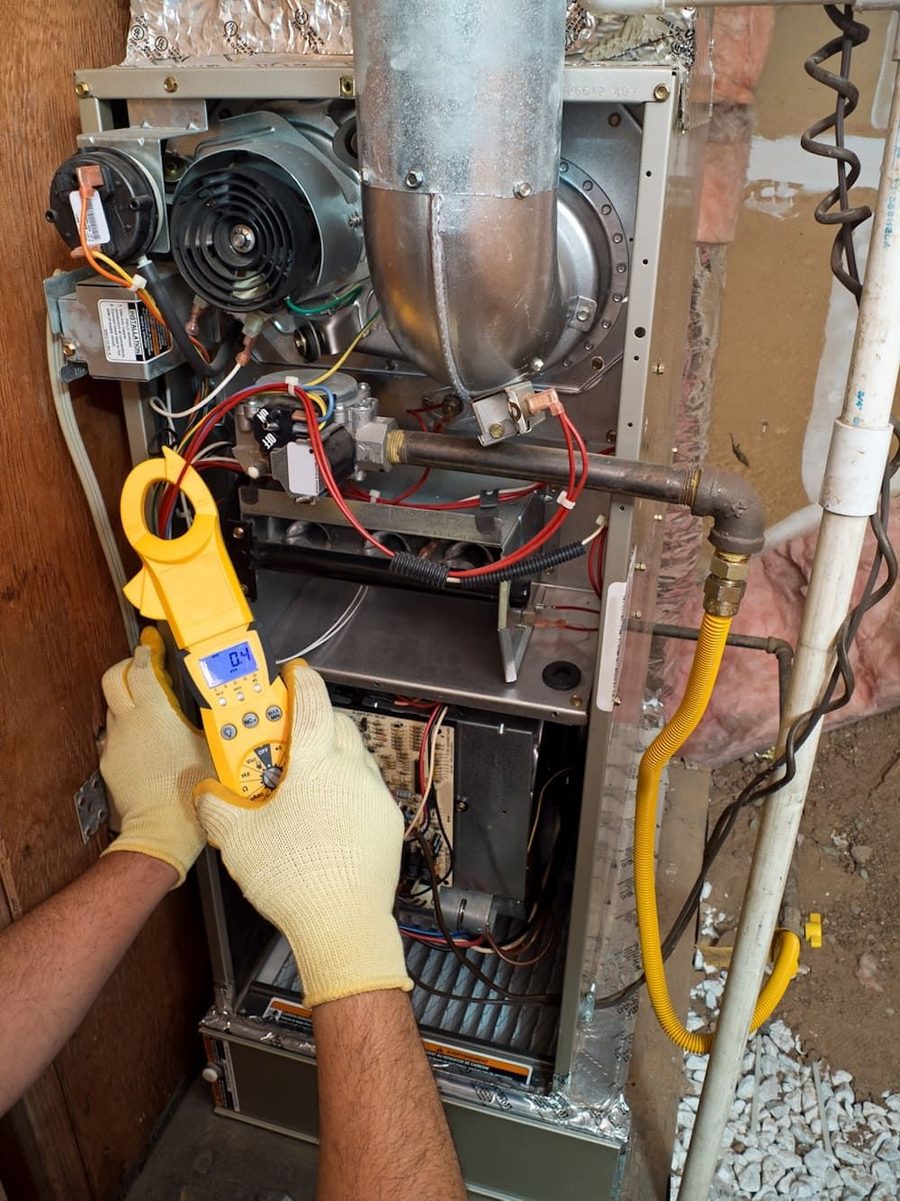
- Inspecting and Tightening Electrical Connections: High-voltage contactor switches, terminal blocks, and fan wiring connections expand and contract during seasonal temperature swings. Tightening every screw terminal prevents dangerous electrical shorts, arcing, and board failures.
- Testing Blower Motor Amp Draws: Blower fan motors are audited to ensure they are drawing electrical currents within safe factory limits. High amp draws indicate internal friction or bearing wear, clear warning signs of an impending motor failure.
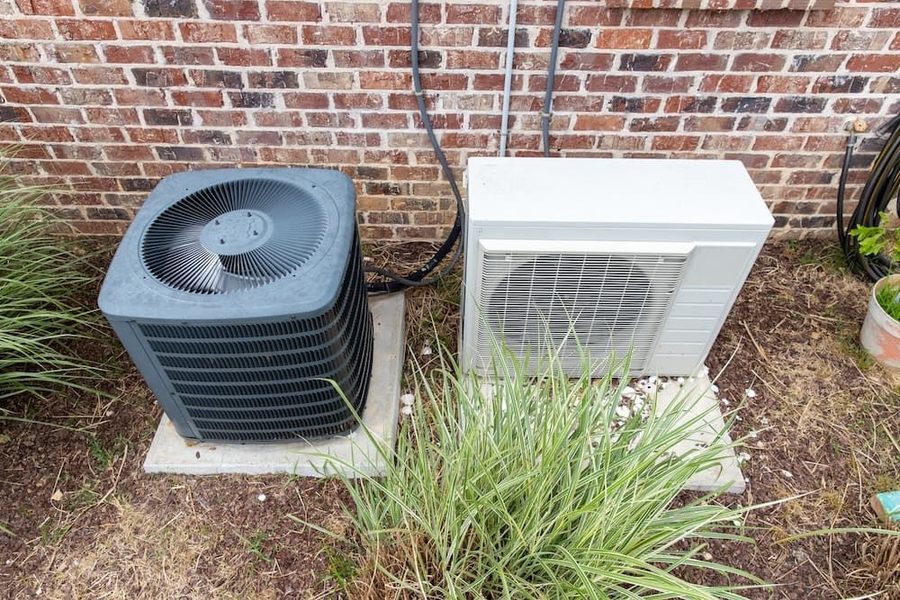
- Cleaning the Primary Condenser Coil Matrix: Your outdoor unit works by blowing heat out through rows of thin aluminum fins. If these coils are packed with cottonwood fluff, dried grass clippings, and local dust, the unit cannot exhaust heat, causing your indoor vents to blow lukewarm drafts.
- Flushing the Condensate Drainage Network: Because air conditioners wring gallons of water vapor out of your indoor air every day, flushing the internal drain pans and PVC lines prevents biological slime plugs from backing up and leaking into your ceilings.
What Breaks First: The Costs of Skipping Early Maintenance
When a central cooling system is pushed past its normal operating limits during an intense, triple-digit summer afternoon, any unaddressed hardware wear will give way. Skipping your seasonal checkup typically triggers a predictable chain reaction of component failures.
Weak Dual Run Capacitors Pop Under Pressure
The absolute first component to burn out on an unmaintained system is the dual run capacitor. This small electronic part acts like a heavy-duty starting battery, providing the electrical jolt needed to keep your outdoor fan and compressor spinning safely. Intense operational heat causes weak capacitors to swell, pop, and fail under continuous loads, leaving your home without any cooling power instantly.
Choked Airflow Triggers Frozen Evaporator Coils
The next common failure is a frozen indoor evaporator coil matrix. When a system runs without a professional cleaning, hidden dust blocks your indoor coils and air filters, choking off the system’s airflow path. Without enough warm household air moving past the sub-freezing cooling coils, the running condensation freezes solid into a literal block of ice, cutting off all indoor comfort.
Overheated Engines Lead to Compressor Burnout
Lastly, the ultimate consequence of skipping seasonal maintenance is premature compressor burnout. The compressor acts as the heart of your cooling infrastructure. Forcing a compressor to run hot due to dirty coils or restricted airflow destroys its internal lubrication shields, leading to a locked rotor and an expensive breakdown that often requires a complete system replacement.
The Front Range Element: High Altitude and Cottonwood Season
Operating an HVAC network along the Colorado Front Range introduces specific geographic and environmental challenges that you won’t find in low-elevation states. Our local climate requires a highly disciplined approach to hardware maintenance.
Our mile-high elevation means our local air is naturally thinner, which reduces its inherent ability to carry heat away from your outdoor system. Your outdoor condenser has to work significantly harder to exhaust heat compared to a system operating at sea level. This natural atmospheric resistance means that even a minor accumulation of dirt or cottonwood fluff on your coils will cause your system’s operating temperatures to spike rapidly.
Additionally, June brings the arrival of Denver’s infamous cottonwood season. The thick, white, fluffy seeds blowing from mature trees act like a high-powered vacuum filter, completely blanketing the metal fins of your outdoor cabinet in a matter of days. This fluff creates an airtight seal around your unit, causing internal pressures to skyrocket and forcing the compressor into a thermal overload state that can permanently damage your system’s primary windings.
Engineering Long-Term Efficiency and Safety for Your Estate
Taking a proactive approach to your home’s central cooling infrastructure is the most effective way to lower your monthly energy expenses and eliminate breakdown anxiety. While simple household habits like setting smart thermostat schedules and swapping out your indoor air filters on time are excellent ways to protect your localized air quality, executing high-voltage diagnostics and balancing delicate chemical refrigerant grids requires specialized trade certification. Continuing to push an unmaintained cooling system into the peak heat of summer is a costly mistake that guarantees inflated power bills and premature equipment degradation. Investing in a meticulous second-quarter tune-up ensures your equipment breathes freely, runs efficiently, and keeps your family safe and perfectly cool through the warmest afternoons of the year.
Secure Your Summer Comfort Plan with Rogers & Sons
You do not have to wait for a major breakdown or worry about hidden system failures when the weather gets hot. The friendly, multi-generational team at Rogers & Sons has been delivering precision mechanical design, luxury installations, and trusted maintenance services across the Denver metro area since 1978. Let our team protect your home’s cooling grid before the first ninety-degree day hits the Front Range.
Contact us today to get your AC maintenance service scheduled!

Here to Help