
greater Denver
Metro area


The ‘Spring Swing’: Why Denver Temps Make Your HVAC Work Harder in May
May along the Front Range is a spectacular month of transformation. The high peaks of the Rocky Mountains still hold a heavy mantle of snow, while down in the Denver metro area, the trees are leafing out, the parks along the South Platte River are greening up, and patio season is in full swing. However, long-time Colorado residents know that May is also characterized by a distinct meteorological phenomenon: the spring swing.
In the Mile High City, May is the ultimate bridge month between freezing winter conditions and intense summer heatwaves. It is a time when you can easily experience a blazing 75-degree afternoon of brilliant sunshine, followed by an aggressive cold front that drops temperatures down to the thirties and blankets your lawn in a heavy, wet spring snow overnight. This volatile atmospheric roller coaster makes for exciting mountain views, but it forces your home heating, ventilation, and air conditioning infrastructure to operate under immense stress. At Rogers & Sons, we have been engineering and maintaining custom home comfort systems across Denver since 1978. This climate guide explores the underlying science of why Denver’s erratic May weather forces your HVAC network to work double-time, and how you can protect your equipment from seasonal fatigue.
Deconstructing the Physics of the Spring Swing
To understand why your heating and cooling equipment struggles during May, you have to look at the unique high-altitude geography of the Front Range. Denver sits at exactly 5,280 feet above sea level, positioned right where the high plains meet the abrupt vertical rise of the Rocky Mountains.
This topography creates an environment where air masses collide constantly. Warm, dry air moving up from the desert southwest can quickly be displaced by a dense, freezing arctic air mass sliding down the eastern side of the Continental Divide. Because our high-altitude atmosphere is thin, it lacks the thermal insulation found at sea level. Without thick, moist air to hold the sun’s warmth, heat dissipates into space the moment the sun drops behind the foothills. This results in extreme diurnal temperature swings, where the gap between the afternoon high and the overnight low can easily exceed thirty-five degrees in a single 24-four hour cycle.
Why Changing Seasonal Demands Trigger HVAC Fatigue
Your HVAC system operates best when it can establish a steady, predictable operational rhythm. When Denver weather forces your infrastructure to swing violently between heating and cooling modes within the same day, it triggers specific mechanical vulnerabilities.
The Conflict of Reversing Thermodynamic Cycles
If your home relies on a modern heat pump system, May forces the equipment to play a continuous game of tug-of-war.
-
The Cooling Shift: During a warm May afternoon, the heat pump runs in its primary cooling mode, extracting thermal energy from your indoor living spaces and expelling it outside.
-
The Heating Shift: A few hours later, as the mountain chill rolls across the valley floor, the system’s reversing valve must physically shift position, reversing the flow of refrigerant completely to draw heat back into your home. This constant, high-pressure switching forces the internal compressor valves, solenoids, and electronic control boards to handle intense mechanical wear that they rarely experience during the stable periods of mid-summer or mid-winter.
The Expansion and Contraction Strain on Ductwork
Your air duct network is composed of sheet metal trunk lines or flexible tubes hidden inside your home’s framing, basements, and attic spaces. Materials naturally expand when exposed to warmth and contract when exposed to cold.
When your home’s ambient environment shifts from hot to cold rapidly during a spring storm, your ductwork undergoes rapid thermal expansion cycles. This continuous movement puts physical tension on the joints, foil tapes, and mastic sealants that keep your air channels airtight. Over time, this seasonal stress causes duct seams to separate, creating hidden air leaks that allow your expensive conditioned air to dump into unoccupied structural cavities rather than reaching your bedrooms.
The Invisible Threat of Internal Temperature Swings
Beyond the mechanics of the outdoor equipment, the spring swing changes how your home architecture handles heat retention.
The Solar Radiation Trap
Because Denver enjoys over three hundred days of annual sunshine, May afternoons deliver intense radiant energy directly through your windows. This solar heat gain bakes your hardwood floors, drywall, and furniture, trapping warmth inside your home structure long after the outdoor temperature has begun to drop.
When your cooling system runs late into the afternoon to fight this solar accumulation, and then your furnace or boiler is forced to engage just a few hours later to counteract the freezing midnight air, your home undergoes a massive energetic overlap. This chaotic cycle forces both systems to operate at peak capacity within a tight chronological window, leading to high utility statements and accelerated component wear.
Key Maintenance Steps to Shield Your System in May
You do not have to leave your home comfort infrastructure completely exposed to the elements. Taking proactive, defensive maintenance measures this month can prevent an unexpected mechanical breakdown ahead of the true summer rush.
1. Maintain a Strict Air Filter Routine
With the arrival of spring rains and blooming vegetation, Denver’s atmospheric pollen and dust metrics spike dramatically.
-
The Restricted Lung: Your HVAC system blower motor must work twice as hard to push air through a filter caked in cottonwood fluff and dust.
-
The Double-Time Impact: When your system is already overworking due to temperature swings, a restricted filter can cause your furnace heat exchanger to overheat and crack, or your AC evaporator coil to freeze into a solid block of ice. Check your filters every thirty days throughout the spring.
2. Clear Exterior Condenser Perimeters
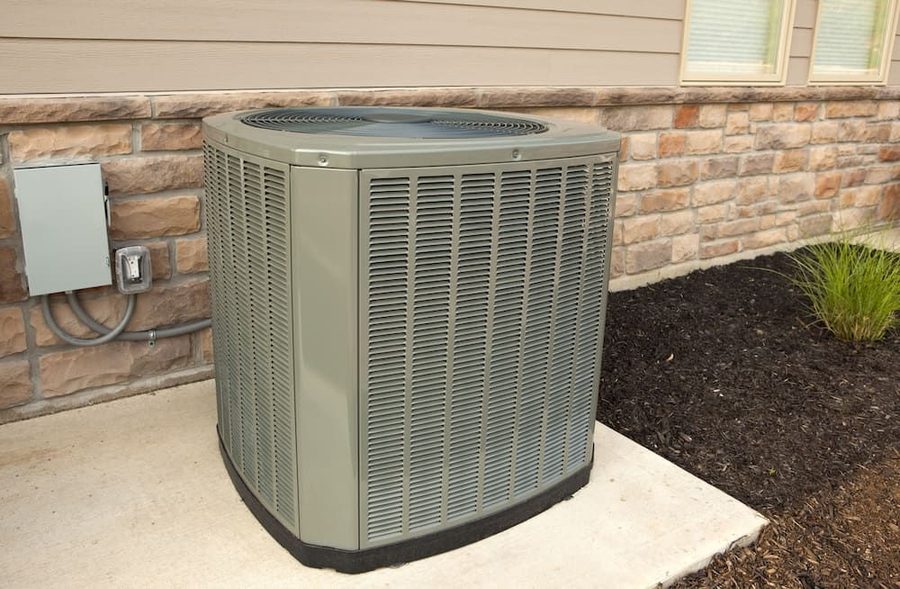
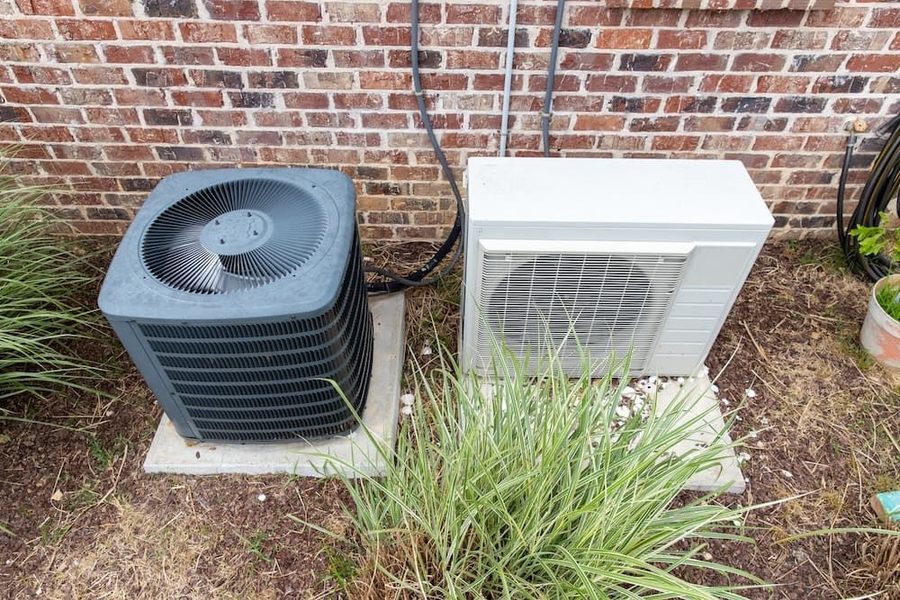
Spring storms frequently bring high winds that dump pine needles, small branches, and leaf debris around your outdoor air conditioning or heat pump cabinet. Walk around your property and ensure there is at least a two-foot clear perimeter around your outdoor unit, allowing the fan blades to draw air smoothly without restricting heat transfer.
3. Embrace Smart Thermostat Programming
Manually adjusting your thermostat up and down constantly during a spring swing forces your system to run short, inefficient cycles. Installing a modern smart thermostat allows you to establish a precise comfort deadband, ensuring your heating and cooling modes do not fight each other or activate unnecessarily during minor temperature fluctuations.
Take Control of Your Home’s Climate
Denver’s spring swing is a powerful natural force, but it does not have to compromise your indoor comfort, strain your mechanical equipment, or drive up your monthly operational costs. By recognizing the physical demands that May weather places on your home infrastructure and scheduling professional maintenance proactively, you can secure your heating and cooling investments for the entire year ahead.
Do not wait for a complete system breakdown during the first intense summer heatwave to evaluate your equipment health. Contact Rogers & Sons today to schedule your spring system tune-up and safety calibration with our expert technical specialists. Let our three generations of family expertise deliver the engineered precision, reliability, and absolute peace of mind your Denver home deserves through every seasonal shift.

Here to Help