
greater Denver
Metro area


Why Is My Furnace Blowing Cold Air? A Checklist for Denver Homeowners
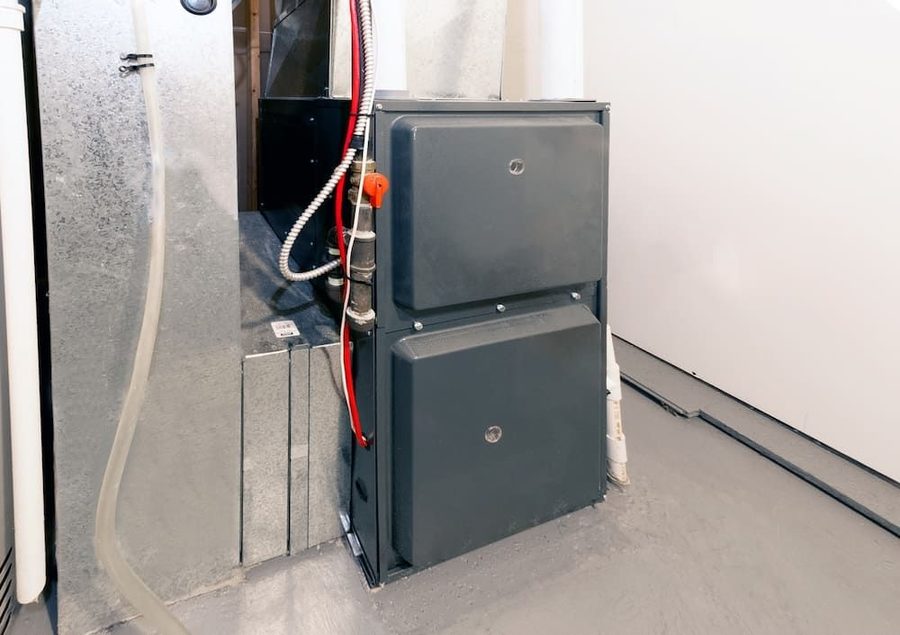
When Denver temperatures drop, the last thing you want is a furnace blowing cold air instead of keeping your home warm. You might hear the heating system running, feel air coming through the vents, and still notice the indoor temperature dropping.
While some furnace problems require professional repairs, others may have simple explanations. Incorrect thermostat settings, dirty air filters, and restricted airflow can all interfere with heating performance.
If your furnace is running but not producing heat, this troubleshooting checklist can help you identify potential causes and determine when to contact Rogers & Sons for furnace repair in Denver.
Why Is My Furnace Blowing Cold Air?
A furnace may blow cold air because of incorrect thermostat settings, a clogged air filter, ignition problems, overheating safety controls, or restricted airflow.
Sometimes, cooler air coming from your vents is normal, particularly at the beginning or end of a heating cycle. However, if your furnace continuously blows cold air or struggles to maintain your desired temperature, something may be preventing it from heating properly.
Here are the most important things Denver homeowners should check.
1. Check Your Thermostat Settings
Before assuming your furnace needs repairs, start with your thermostat.
An incorrect setting can cause the blower to circulate air without activating the heating system.
Your checklist:
-
Make sure the thermostat is set to HEAT.
-
Set the fan to AUTO rather than ON.
-
Raise the desired temperature above the current room temperature.
-
Check thermostat batteries if your model uses them.
-
Review programmed heating schedules.
When the fan is set to ON, it may run continuously, even when the furnace isn’t actively heating. This can make the air coming through your vents feel cool.
Switching the fan to AUTO allows it to operate according to the system’s normal heating cycle.
2. Inspect Your Furnace Air Filter
A dirty furnace filter is another common reason for heating problems.
Air filters collect dust, dirt, and other airborne particles. Over time, accumulated debris can restrict airflow through the heating system.
When airflow becomes severely restricted, the furnace may overheat and activate a high-limit safety switch. This can shut off the burners while the blower continues running, causing cooler air to circulate.
Your checklist:
-
Locate your furnace air filter.
-
Inspect it for excessive dust and debris.
-
Replace it if it is dirty.
-
Use the correct filter size and an appropriate filter type.
Check your filter regularly throughout Denver’s heating season, especially if you have pets or your system runs frequently.
If replacing the filter doesn’t restore normal heating, another problem may be present.
3. Allow Your Furnace Time to Warm Up
Not every burst of cool air indicates a furnace malfunction.
Depending on the system’s design, the blower may briefly circulate cooler air at the beginning or end of a heating cycle.
However, once the furnace is operating normally, the supply air should become noticeably warmer.
Your checklist:
-
Confirm the thermostat is requesting heat.
-
Allow the system several minutes to begin heating.
-
Check whether the air becomes warm.
-
Notice whether the furnace reaches the thermostat setting.
If the air remains cold throughout the heating cycle, the furnace may not be producing heat.
4. Make Sure Your Vents Aren’t Blocked
Your furnace needs adequate airflow to heat your home effectively.
Furniture, rugs, curtains, and other household items can obstruct supply registers or return air grilles.
Restricted airflow may contribute to uneven temperatures, reduced heating performance, and overheating problems.
Your checklist:
-
Inspect accessible supply vents.
-
Move furniture away from return air grilles.
-
Remove items covering floor registers.
-
Keep vents open unless your HVAC professional recommends otherwise.
Avoid closing multiple vents to force warm air into other rooms. This can increase pressure within the ductwork and affect system performance.
5. Look for Furnace Error Codes
Many modern furnaces have diagnostic lights or displays that indicate operating problems.
These codes may help identify issues involving ignition, airflow, pressure switches, or other heating components.
Your checklist:
-
Check for visible warning lights or error messages.
-
Consult your owner’s manual for the code’s meaning.
-
Record the code before contacting an HVAC technician.
Do not open sealed equipment compartments, bypass safety switches, or attempt electrical repairs.
An error code can provide useful information, but a professional inspection may still be necessary to determine the underlying cause.
6. Consider Ignition or Flame Sensor Problems
Gas furnaces rely on ignition components to light the burners and produce heat.
If the ignition system fails, the furnace may attempt to start without successfully heating the air.
A malfunctioning flame sensor can also prevent normal operation. This safety component helps the furnace confirm that a burner flame is present.
When ignition or flame detection fails, the system may shut off the gas supply as a safety precaution.
Warning signs include:
-
The furnace repeatedly attempts to start.
-
Air circulates without becoming warm.
-
Heating cycles stop unexpectedly.
-
The system displays ignition-related error codes.
Ignition and flame sensor problems require professional diagnosis. Avoid attempting gas burner repairs yourself.
7. Determine Whether Your Furnace Is Overheating
It might seem unusual, but an overheating furnace can eventually blow cold air.
Furnaces have safety controls designed to prevent excessive operating temperatures.
If the system overheats, the high-limit switch may shut off the burners while allowing the blower to continue circulating air.
Potential causes include dirty filters, restricted airflow, and blower-related problems.
Your checklist:
-
Inspect the air filter.
-
Confirm vents and returns are unobstructed.
-
Pay attention to repeated heating shutdowns.
If the furnace continues shutting down after basic airflow checks, schedule professional service. Repeated overheating should not be ignored.
8. Check for Condensate or Venting Issues
High-efficiency gas furnaces produce condensation that must drain properly.
If a condensate drain becomes blocked, certain furnaces may shut down heating operation to protect the equipment.
Venting problems can also trigger safety controls.
During Denver’s winter, snow, ice, or debris may obstruct exterior vent terminations in some installations.
Your checklist:
-
Look for obvious obstructions around accessible exterior vents from a safe location.
-
Watch for visible water accumulation around the furnace.
-
Note any recurring shutdowns or error messages.
Do not dismantle furnace venting, force open drainage components, or bypass safety controls. Contact a technician if you suspect a venting or condensate problem.
9. Know When Cold Air From Your Furnace Is an Emergency
Some furnace problems require immediate attention.
If you smell natural gas, leave the building and contact your gas utility or emergency services from a safe location. Avoid operating electrical switches or using potential ignition sources.
If a carbon monoxide alarm sounds, evacuate immediately and contact emergency services.
Smoke, burning components, or other signs of a serious equipment malfunction also warrant urgent attention.
During freezing Denver weather, a complete heating failure can create additional concerns, including frozen pipes in vulnerable areas.
10. When Should You Call for Furnace Repair in Denver?
If basic troubleshooting doesn’t restore heat, the problem may involve components that require specialized testing.
Contact an HVAC professional when:
-
Your furnace blows cold air throughout the heating cycle.
-
The thermostat and filter appear normal, but your home won’t warm up.
-
The system frequently starts and stops.
-
Warning codes repeatedly appear.
-
You hear unusual noises during operation.
-
Heating performance becomes unreliable.
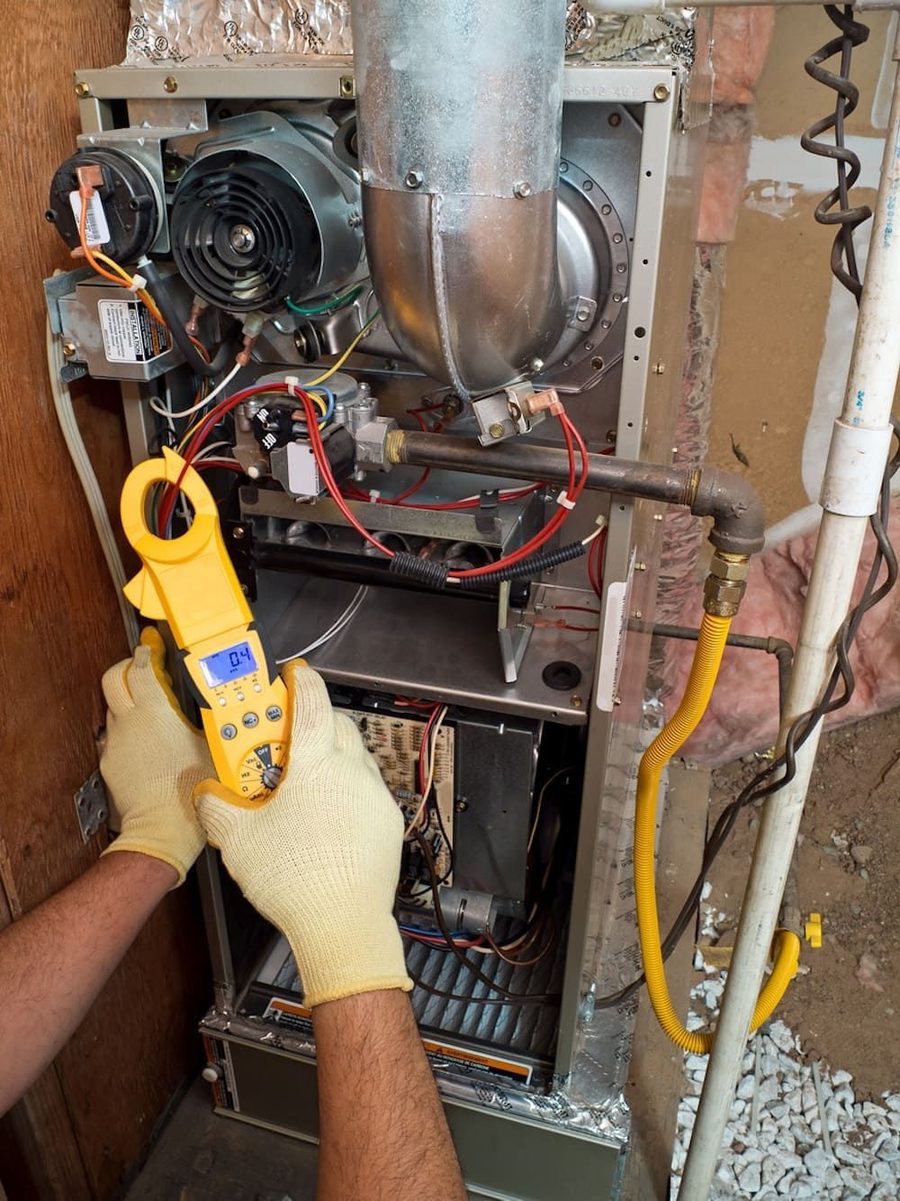
A professional technician can inspect the ignition system, blower, safety controls, and other components to determine why the furnace isn’t heating.
How Can Furnace Maintenance Help Prevent Heating Problems?
Regular furnace maintenance can help identify developing problems before they interrupt your home’s comfort.
During a professional heating inspection, a technician may evaluate airflow, inspect ignition components, test safety controls, and check overall system operation.
Homeowners can also help by checking filters regularly, keeping vents clear, and paying attention to changes in heating performance.
Although maintenance cannot prevent every breakdown, it can help reduce the likelihood of avoidable heating problems during Denver’s colder months.
Stay Warm This Winter With Rogers & Sons
A furnace blowing cold air doesn’t always mean a major repair is necessary. Sometimes, correcting thermostat settings or replacing a clogged filter can restore normal heating.
However, persistent cold air may indicate ignition problems, overheating, airflow restrictions, or another mechanical issue that needs professional attention.
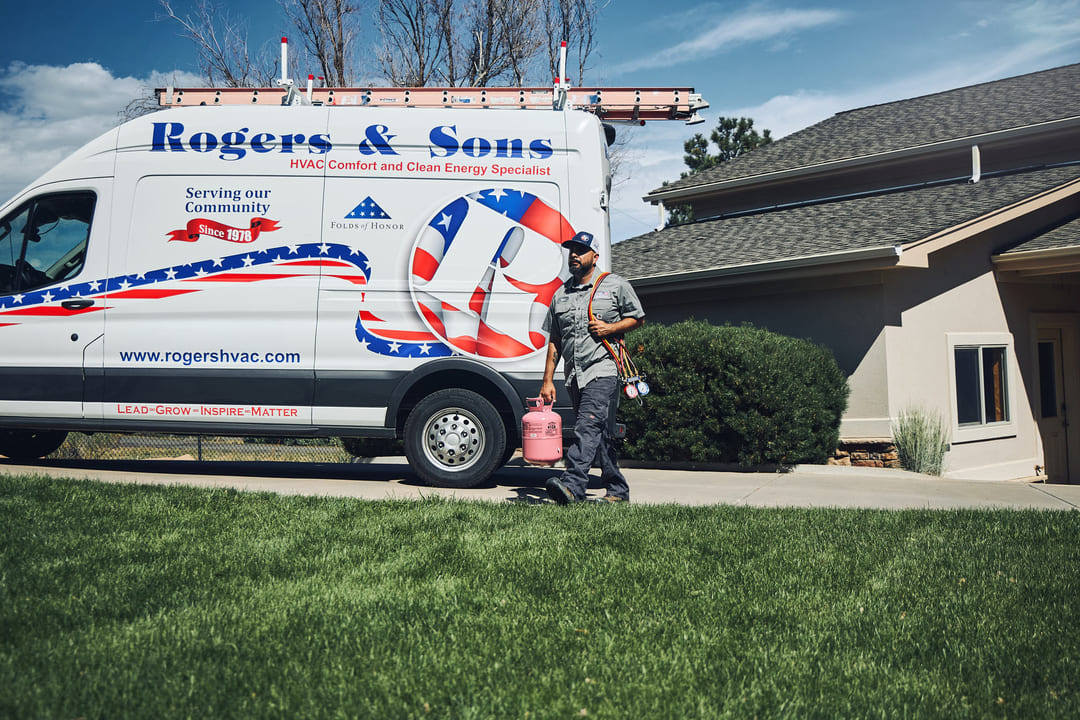
Rogers & Sons helps Denver homeowners address furnace problems and maintain reliable heating throughout Colorado’s winter season.
Contact Rogers & Sons today to schedule furnace repair or heating maintenance in Denver and get your home comfortable again.


Here to Help