
greater Denver
Metro area



When I Turn on My Furnace, Why Does It Smell?
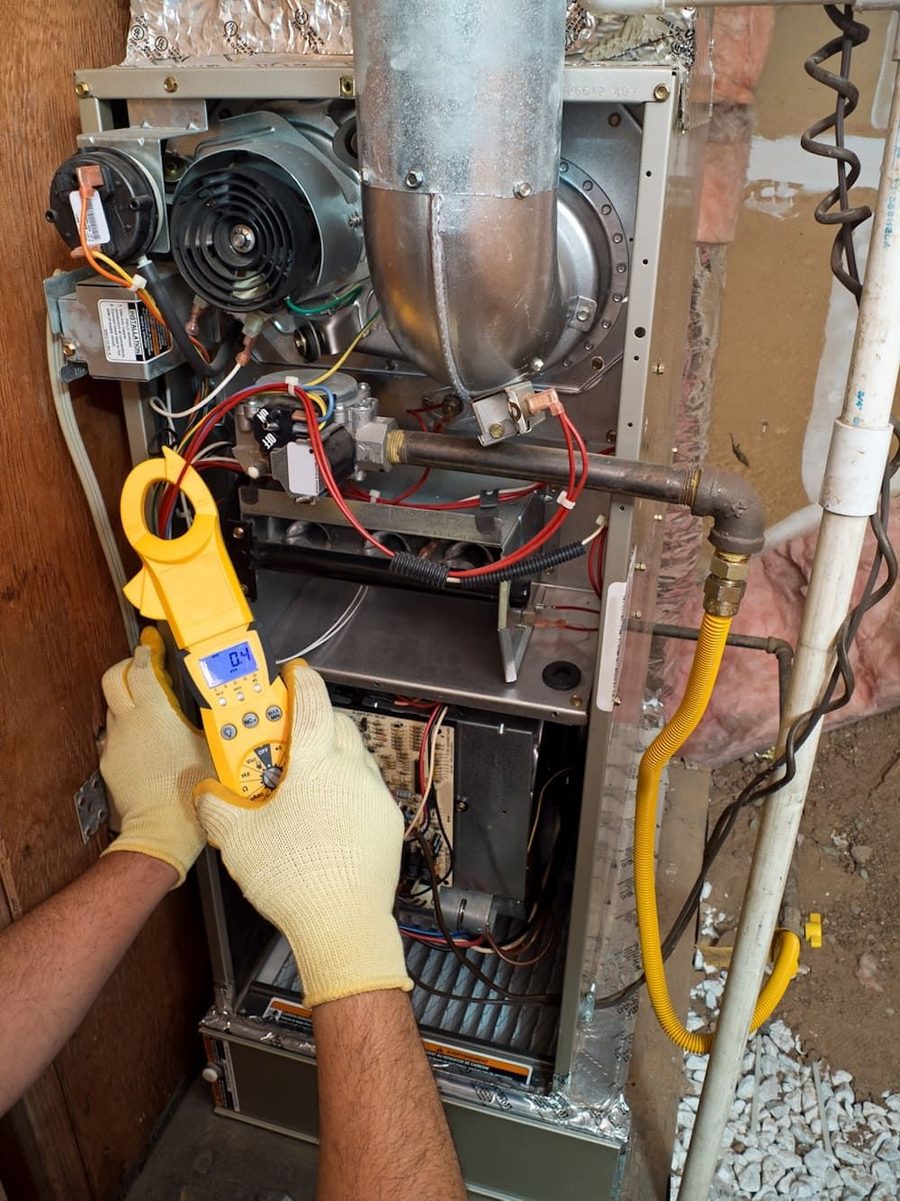
When temperatures start dropping in Denver, turning on the furnace for the first time in months can sometimes produce an unexpected smell. A dusty or slightly burning odor may be normal during the first heating cycle of the season, but other furnace smells can indicate electrical problems, overheating, combustion concerns, or even a possible natural gas leak.
Knowing the difference matters. Some furnace odors may disappear after the system begins operating regularly, while others are reasons to turn the furnace off or leave the home and seek immediate assistance.
Is It Normal for a Furnace to Smell When You First Turn It On?
A temporary dusty or slightly burning smell can be normal when you first turn on your furnace after it has been sitting unused. Dust can accumulate on components during warmer months and produce an odor when the heating system starts operating again.
This can be particularly noticeable during Denver’s first cold stretch of fall, when a furnace that has been mostly idle suddenly begins running.
A normal seasonal startup odor should fade rather than continue getting stronger. If the smell persists through repeated operation, returns frequently, or smells like burning plastic, rubber, or electrical components, have the furnace inspected.
Why Does My Furnace Smell Like Burning Dust?
A dusty smell is one of the more common odors homeowners notice when starting their heating systems for the season.
Dust Can Accumulate During the Off-Season
When your furnace is not being used regularly, dust and debris can settle on accessible heating components and within parts of the HVAC system.
Once the furnace begins producing heat, some of that accumulated dust can create a temporary burning smell.
When Is a Burning Dust Smell a Problem?
Pay attention to whether the odor improves or gets worse.
Schedule professional furnace service if the smell continues through repeated heating cycles, becomes stronger, or occurs alongside unusual furnace operation.
Visible smoke or an odor that resembles melting plastic, burning rubber, or overheated electrical equipment should not be dismissed as normal seasonal dust.
Why Does My Furnace Smell Like Something Is Burning?
“Burning” can describe several different smells, and the underlying causes can range from relatively simple maintenance issues to electrical or mechanical problems.
Check the Furnace Filter
A dirty furnace filter can restrict airflow through the HVAC system. Restricted airflow can interfere with normal furnace operation and contribute to overheating problems in some situations.
Check the filter and replace it when appropriate based on the system and filter manufacturer’s recommendations.
However, replacing a filter is not a solution for every burning smell. If the odor remains after basic maintenance or the furnace is showing other signs of trouble, schedule an HVAC inspection.
Electrical or Mechanical Problems
Motors, wiring, electrical connections, and other furnace components can develop problems that produce an unusual burning odor.
If you notice a strong electrical smell or an odor resembling overheated wiring, shut the furnace off and have it professionally inspected. Do not open electrical compartments or attempt to repair furnace wiring yourself.
Why Does My Furnace Smell Like Burning Plastic or Rubber?
A burning plastic or rubber smell is different from the temporary dusty odor you might notice during the first heating cycle of the season.
Possible sources can include overheating electrical components, damaged wiring insulation, motor-related problems, or foreign material that has ended up near a hot component.
Turn the furnace off and arrange for professional HVAC service rather than continuing to operate the system to see whether the odor disappears.
If you see smoke or fire, leave the home and call 911 from a safe location.
Why Does My Furnace Smell Like Rotten Eggs or Gas?
A sulfur or rotten egg odor requires a different response from an ordinary furnace smell.
Natural gas is odorized so that leaks can be detected by smell. Xcel Energy advises customers who detect a sulfur or rotten egg odor inside or near their home to leave immediately. Do not operate electrical devices, switches, a garage door opener, or a phone while inside. Once you are safely outside and away from the area, call Xcel Energy at 800-895-2999. For a life-threatening emergency, call 911.
Do not remain inside trying to determine whether the furnace is responsible for the smell.
Why Does My Furnace Smell Musty?
A musty odor can have several possible sources, including accumulated dust or moisture somewhere within or around the HVAC system.
A musty smell does not automatically prove that mold is present. Determining the source requires looking at the system and surrounding conditions rather than diagnosing the problem based on odor alone.
Check the furnace filter first. If the smell persists, an HVAC technician can inspect the system for moisture, airflow, filtration, or other potential problems.
Why Does My Furnace Smell Like Something Died?
An unpleasant decomposition-like smell may originate from an animal that entered an attic, crawlspace, vent, flue, or another area near the HVAC system.
The source is not necessarily inside the furnace itself. Air circulation can sometimes carry odors from elsewhere in the home.
If the odor persists and you cannot locate its source safely, professional HVAC service or appropriate wildlife or pest assistance may be needed depending on where the problem is located.
What If My Furnace Smells Like Exhaust or Fumes?
Fuel-burning furnaces are designed to vent combustion gases safely outdoors. Unusual combustion or exhaust-like odors should therefore receive attention.
A venting or combustion problem requires professional diagnosis. If you suspect the furnace is not venting properly, stop using it and have the system evaluated.
It is also important to understand that carbon monoxide cannot be detected by smell. Carbon monoxide is colorless and odorless, so the absence of an unusual odor does not prove that combustion equipment is operating safely.
If a carbon monoxide alarm sounds, leave the home and follow the alarm manufacturer’s instructions and emergency guidance.
Which Furnace Smells Are Normal and Which Are Dangerous?
The type and persistence of an odor can help determine your next step.
A Smell That May Be Normal
A brief dusty smell when the furnace first operates after months of inactivity may simply be accumulated dust heating up.
Smells That Need HVAC Attention
Have the furnace evaluated if you notice:
-
A persistent or recurring burning smell
-
An electrical odor
-
Burning plastic or rubber
-
Persistent musty odors
-
Unusual exhaust or combustion odors
-
An unexplained smell that becomes stronger
Smells That May Indicate an Emergency
Take immediate action if you smell natural gas or see smoke or fire. A sounding carbon monoxide alarm should also be treated seriously even if you cannot smell anything unusual.
Should You Turn Off Your Furnace If It Smells?
Whether you should turn off your furnace depends on the type and severity of the odor.
A brief dusty smell during the first seasonal heating cycle may not require shutting down the system. Strong or persistent burning, electrical, plastic, rubber, or exhaust-like odors are reasons to stop using the furnace and arrange for an inspection.
If you suspect a natural gas leak, do not simply turn off the furnace and remain inside. Leave the property immediately and follow your gas utility’s emergency instructions.
How Can Denver Homeowners Help Prevent Furnace Odors?
Basic maintenance can help keep your heating system operating properly and may catch certain problems before Denver’s colder weather arrives.
Check the Air Filter
Inspect the furnace filter regularly and replace it according to the appropriate recommendations for your system and filter.
Keep the Furnace Area Clear
Avoid storing combustible materials or household clutter directly around heating equipment. The furnace should have appropriate clearance and access.
Schedule Fall Furnace Maintenance
Professional heating maintenance before regular winter operation gives a technician an opportunity to inspect appropriate electrical, airflow, combustion, safety, and operating components.
Maintain Carbon Monoxide and Smoke Alarms
Homes with fuel-burning appliances should have properly installed and maintained carbon monoxide alarms. Test alarms and replace batteries or units according to manufacturer instructions and applicable requirements.
When Should You Call an HVAC Professional About a Furnace Smell?
Call an HVAC professional when a furnace odor is persistent, recurring, difficult to identify, or accompanied by abnormal system operation.
You should also schedule service for strong burning smells, electrical or melting odors, suspected overheating, unusual combustion odors, or a furnace that repeatedly shuts down.
Gas leaks, visible fire, and carbon monoxide emergencies require immediate safety action rather than routine HVAC troubleshooting.
Get Your Denver Furnace Checked by Roger’s & Sons
A dusty smell during the first heating cycle of the season may be normal, but unusual furnace odors should not be ignored. Electrical smells, persistent burning odors, combustion concerns, and other changes can indicate that the system needs professional attention.
If your furnace produces an unexplained or recurring smell, contact Roger’s & Sons for professional furnace maintenance and heating repair in Denver. Having the problem diagnosed before Colorado’s colder weather settles in can help ensure your heating system is ready when you need it.

Here to Help