
greater Denver
Metro area



Why Your Snow Melt System Isn’t Heating Evenly: Understanding Boiler Zone Valve Problems in Denver
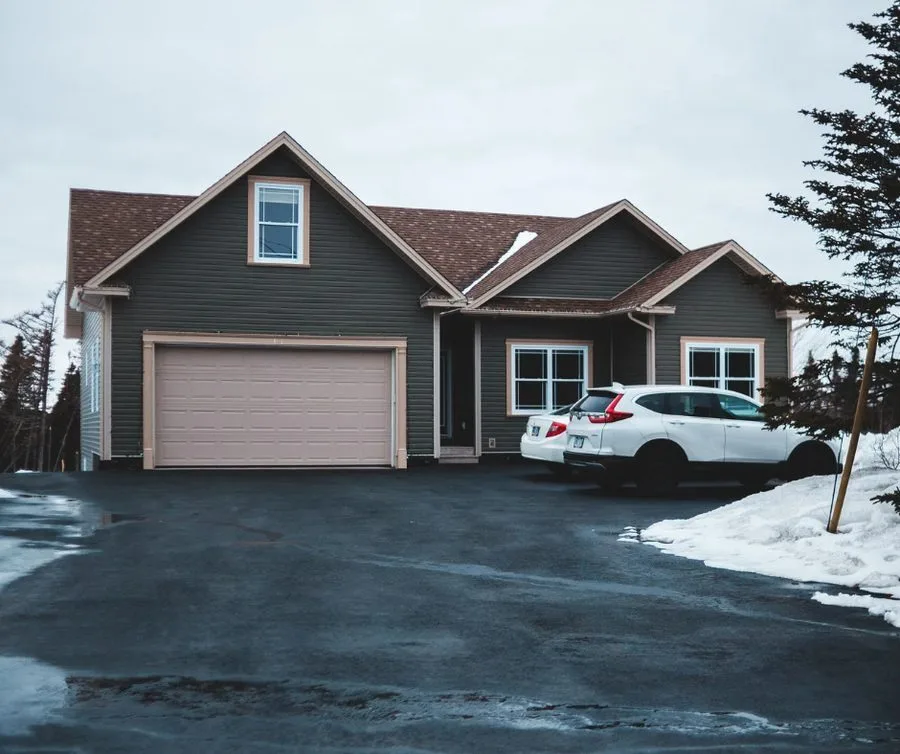
Denver’s heavy snowfall, freezing temperatures, and frequent freeze-thaw cycles make hydronic snow melt systems a valuable investment. Heated driveways, sidewalks, and entryways help reduce snow accumulation and minimize icy surfaces throughout winter.
However, if one section of your driveway remains covered in snow while another melts normally, your heating system may have an underlying circulation problem.
Malfunctioning boiler zone valves are one potential cause of uneven snow melting. Understanding how these components work can help you recognize when your system needs professional attention.
Why Isn’t My Snow Melt System Heating Evenly?
A hydronic snow melt system may heat unevenly because of malfunctioning boiler zone valves, restricted fluid circulation, trapped air, circulator pump problems, faulty sensors, or improperly balanced heating loops.
A zone valve that fails to open completely can restrict heated fluid from reaching specific sections of a driveway, sidewalk, or patio.
When one heating zone operates normally while another remains cold, the problem may involve an individual zone rather than the boiler itself.
How Do Hydronic Snow Melt Systems Work?
Hydronic snow melt systems use a boiler to heat circulating fluid, typically a mixture of water and glycol. Circulator pumps move this heated fluid through tubing installed beneath outdoor surfaces.
As heat transfers from the tubing into the pavement, surface temperatures rise, helping melt snow and ice.
Many systems use temperature and moisture sensors to automatically activate heating when appropriate weather conditions are detected.
Larger properties may have separate heating zones for driveways, sidewalks, patios, and entryways.
What Is a Boiler Zone Valve?
A boiler zone valve regulates the flow of heated fluid into a designated heating zone.
When the system’s controls request heat, the valve opens to allow fluid circulation. Once heating is no longer required, the valve closes.
A malfunctioning zone valve can interrupt heat distribution even when the boiler operates normally. However, some hydronic snow melt systems use dedicated circulator pumps instead of zone valves to control individual heating areas.
5 Common Boiler Zone Valve Problems That Cause Uneven Snow Melting
1. A Zone Valve Is Stuck Closed
A zone valve that fails to open prevents heated fluid from circulating through the affected heating zone.
Common warning signs include:
- One section of your driveway remains covered in snow.
- Other heating zones operate normally.
- The boiler runs without warming the affected surface.
- A particular heating zone consistently fails to activate.
Mechanical wear, internal deposits, or actuator failure may prevent the valve from opening properly.
2. A Zone Valve Is Only Opening Partially
A partially opened zone valve can restrict fluid circulation without completely stopping it.
The affected area may still receive some heat but struggle to melt snow as efficiently as surrounding surfaces.
Potential symptoms include persistent icy patches, slower snow melting, uneven surface temperatures, and reduced heating performance during heavier snowfall.
Restricted circulation can become particularly noticeable during Denver’s colder winter days, when outdoor surfaces require more thermal energy to maintain effective snow melting.
3. A Faulty Zone Valve Motor or Actuator
Motorized zone valves use actuators to open and close in response to signals from the heating system’s controls.
Over time, actuator motors, internal gears, and other mechanical components may deteriorate.
A malfunctioning actuator may receive the correct electrical signal but fail to move the valve into its proper operating position.
Professional boiler diagnostics can determine whether the actuator needs replacement or whether the entire zone valve assembly requires attention.
4. Electrical or Control System Problems
Zone valves depend on electrical signals to operate correctly. Problems within the control system can prevent otherwise functional valves from opening.
Potential causes include:
- Loose or damaged wiring
- Faulty control relays
- Malfunctioning zone controllers
- Transformer problems
- Defective valve end switches
- Incorrect system settings
Depending on the system’s configuration, these issues may prevent fluid circulation or interrupt the boiler’s heating sequence.
Electrical troubleshooting should always be performed by a qualified heating technician.
5. Internal Valve Wear or Contamination
Hydronic heating components can experience mechanical deterioration over time.
Internal corrosion, sediment, debris, degraded heat transfer fluid, and worn valve components may interfere with proper operation.
Contamination can restrict fluid movement or cause valves to become difficult to open and close.
Regular hydronic heating maintenance can help identify deteriorating components and circulating fluid problems before they significantly affect snow melt system performance.
How Can You Tell if a Boiler Zone Valve Is Failing?
Your snow melt system may have a zone valve problem if you notice:
- One heating zone remains cold while others operate normally.
- Certain areas consistently take longer to melt snow.
- A heating zone fails to respond when activated.
- The boiler operates without adequately heating designated surfaces.
- Unusual clicking, buzzing, or humming develops near valve assemblies.
- Uneven heating persists across multiple snowstorms.
- System controls display recurring fault codes.
These symptoms do not necessarily confirm a zone valve failure. Professional diagnostics can help distinguish valve problems from other hydronic heating issues.
Other Reasons Your Denver Snow Melt System May Heat Unevenly
Although malfunctioning zone valves can contribute to uneven heating, several other problems may affect snow melt system performance.
Trapped Air in Heating Loops
Air pockets can interfere with fluid circulation and reduce heat transfer throughout affected heating loops.
Circulator Pump Problems
A failing or improperly operating circulator pump may struggle to move sufficient heated fluid through the system.
Improperly Balanced Heating Loops
Differences in tubing lengths and flow resistance can cause some heating loops to receive more fluid than others, resulting in uneven surface temperatures.
Low System Pressure or Glycol Problems
Fluid loss, inadequate system pressure, and improper glycol concentration can affect circulation, heat transfer, and freeze protection.
Faulty Snow Melt Sensors
Malfunctioning temperature or moisture sensors may prevent the system from activating correctly or operating long enough to clear accumulated snow.
Environmental Conditions and System Design
Shaded areas, wind exposure, drifting snow, pavement thickness, and tubing spacing can influence melting performance.
Uneven snow melting does not always indicate equipment failure, particularly when snowfall exceeds the system’s designed heating capacity.
Why Snow Melt Problems Become More Noticeable During Denver Winters
Denver’s rapid temperature fluctuations, heavy snowfall, and frequent freeze-thaw cycles can expose existing hydronic heating problems.
A partially restricted heating zone may perform adequately during light snowfall but struggle when outdoor temperatures drop significantly.
Inadequately heated surfaces may also allow residual moisture to refreeze, creating slippery patches around driveways, sidewalks, and entryways.
Addressing circulation problems early can help improve system reliability throughout Colorado’s winter months.
What Should You Do if Your Heated Driveway Isn’t Working Properly?
If your snow melt system is heating unevenly, consider these basic troubleshooting steps:
- Confirm that the snow melt system is enabled.
- Review accessible system control settings.
- Identify which heating zones are affected.
- Check for visible system error messages.
- Look for visible fluid leaks around accessible equipment.
- Note whether problems occur consistently or only during severe weather.
- Schedule professional boiler and hydronic heating diagnostics.
Avoid opening pressurized hydronic components, adjusting unfamiliar valves, adding glycol without professional guidance, or attempting electrical repairs.
Treat affected surfaces as slip hazards until the underlying problem is resolved.
Can Regular Boiler Maintenance Prevent Snow Melt Zone Valve Problems?
Preventative boiler maintenance can help identify developing mechanical, electrical, and circulation problems before winter.
Professional snow melt system maintenance may include:
- Inspecting zone valves and actuators
- Testing circulator pump performance
- Checking system pressure and fluid circulation
- Evaluating glycol concentration and fluid condition
- Inspecting accessible piping for leaks
- Assessing heating loop balance
- Testing temperature and moisture sensors
- Evaluating overall boiler performance
Scheduling maintenance before Denver’s winter season can help reduce unexpected equipment problems and support consistent heating performance.
Restore Even Snow Melt System Heating With Rogers & Sons in Denver
Persistent snow and ice patches may indicate malfunctioning zone valves, restricted circulation, faulty controls, or other hydronic heating problems.
Is your heated driveway leaving behind stubborn patches of snow and ice? Contact Rogers & Sons today to schedule professional boiler and snow melt system diagnostics in Denver and help restore consistent heating throughout your property.

Here to Help