
greater Denver
Metro area


The Hidden HVAC Issues Caused by Denver’s Extremely Dry Winter Air
Living in Denver during the winter means enjoying some of the most beautiful snow-capped views in the country. However, our high-altitude environment presents a unique challenge that homeowners in the Midwest or East Coast rarely deal with: extremely low humidity. While the temperature is the first thing we check on the morning news, the “relative humidity” is what actually dictates how your HVAC system performs and how comfortable your home feels.
In the Mile High City, winter humidity levels can often drop below 15 percent. To put that in perspective, the Sahara Desert averages about 25 percent humidity. This “ultra-dry” air is aggressive; it actively seeks out moisture wherever it can find it, including from your wood furniture, your houseplants, and even your own body. For your HVAC system, this lack of moisture isn’t just a comfort issue, it is also a mechanical stressor that can lead to higher bills and premature equipment failure.
At Rogers & Sons, we see the results of Denver’s dry air every day. From “ghost” thermostat readings to static-shocked control boards, the dryness causes a range of hidden issues that a standard furnace check-up might miss. In this blog, we will explore how Denver’s arid winters impact your home’s infrastructure and why humidity management is the “secret ingredient” to a reliable heating system.
Mechanical Impacts: How Dry Air Strains Your Furnace
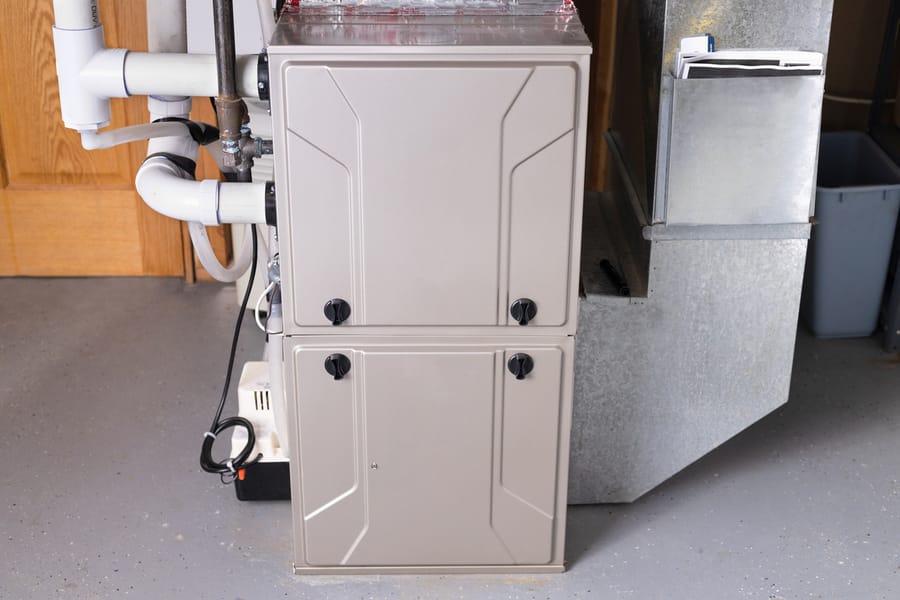
Your furnace is designed to move air, but the quality of that air changes how hard the system has to work. When the air is bone-dry, it creates a cascade of minor mechanical issues that add up to major headaches.
Static Electricity and Control Boards
Dry air is a perfect conductor for static electricity. As air moves rapidly through your ductwork, it can create a static charge that builds up over time.
-
Zapping Sensitive Electronics: Modern furnaces are essentially high-powered computers. A single static discharge can “fry” a circuit board or cause a thermostat to lose its programming.
-
Sensor Interference: Dust moves more freely in dry air. When combined with static, this dust can “stick” to flame sensors and limit switches, causing your furnace to shut down unexpectedly.
Dust Accumulation and Friction
In a humid environment, dust tends to clump together and settle. In Denver’s dry air, dust remains microscopic and airborne for much longer.
-
Filter Overload: Your air filters will clog significantly faster in the winter because the dry air keeps more particulates in circulation.
-
Motor Bearing Stress: Micro-dust can find its way into the sealed bearings of your blower motor. Without enough moisture to keep things “settled,” this dust acts like an abrasive, wearing down the motor and increasing your electrical draw.
The Comfort Gap: Why “72 Degrees” Feels Cold
In a Denver winter, the most frequent complaint our technicians hear isn’t that the furnace is broken, but that the home simply feels “hollow” or “drafty” despite the thermostat reading 72 degrees. This isn’t usually a problem with the furnace’s heat output; it is a direct result of the dry Denver air.
The Evaporative Cooling Effect
Your skin stays comfortable through a balance of moisture. When the air in your home is extremely dry, the moisture on your skin evaporates almost instantly. This process, evaporative cooling, actually pulls heat away from your body.
-
Thermostat Cranking: Because you feel cold, you likely turn the thermostat up to 75 or 76 degrees. Your furnace then runs longer cycles, consuming more natural gas and increasing your utility bills.
-
Uneven Heating: Dry air doesn’t “hold” heat as well as humidified air. This leads to hot spots near vents and “cold pockets” in the corners of your rooms, making the system feel inefficient.
Protecting Your Home’s Infrastructure
It isn’t just your body that suffers from the dryness. The physical structure of your Denver home is at risk when the HVAC system isn’t managed for humidity.
-
Wood Contraction: Hardwood floors, cabinets, and even the structural studs in your walls shrink as they lose moisture. This can lead to “creaking” floors and gaps in your crown molding.
-
Drywall Cracks: As the wooden frame of your house shifts due to moisture loss, it puts stress on the drywall, leading to those annoying “spiderweb” cracks around door frames and windows.
The Solution: Whole-Home Humidification
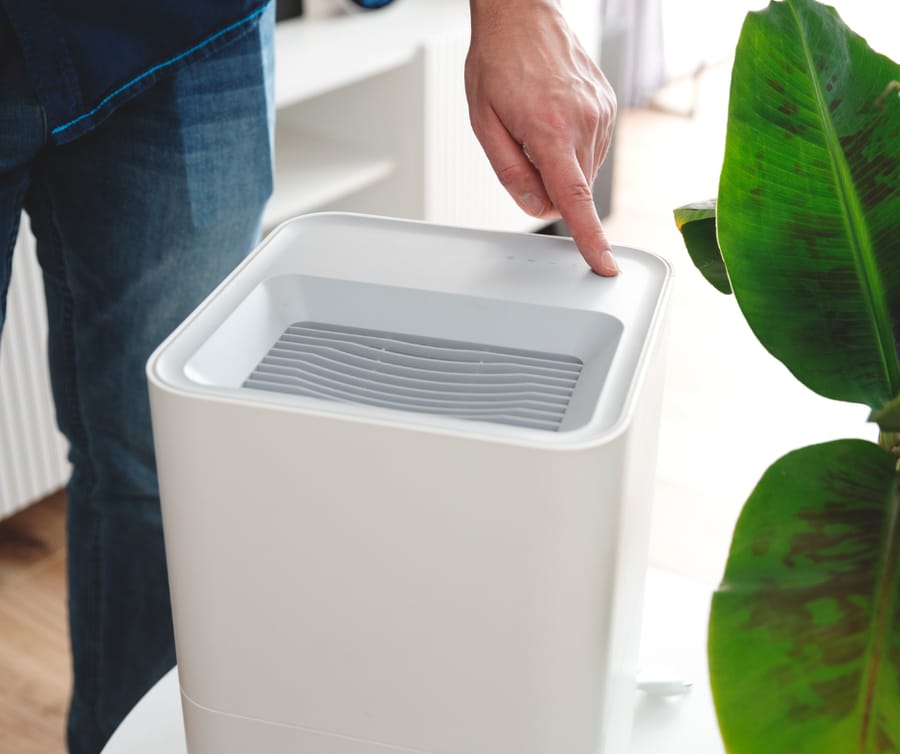
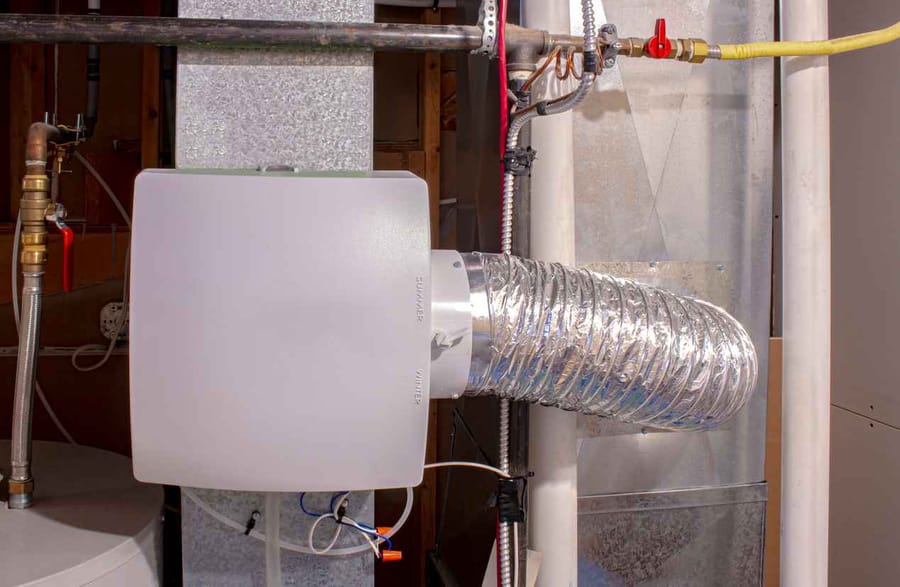
In the Denver metro area, a standalone “tabletop” humidifier in the bedroom is rarely enough to solve the problem. To protect your HVAC system and your home, a whole-home solution is often necessary.
How Whole-Home Humidifiers Work
These units are installed directly into your furnace’s ductwork. As the air is heated, it passes through a specialized “water panel” that adds a precise amount of moisture before the air is circulated through the house.
-
Automated Control: Most systems use a “humidistat” that monitors the outdoor temperature and adjusts the indoor moisture levels automatically to prevent window condensation.
-
Efficiency Gains: When your ho me has a healthy humidity level (usually between 30 and 45 percent), you can set your thermostat 2 to 3 degrees lower and feel exactly as warm, saving you significantly on your monthly heating costs.
-
Equipment Longevity: By reducing dust circulation and static electricity, a humidifier actually extends the life of your furnace’s sensitive electronic components.
A Balanced Home is a Healthy Home
Is your home feeling “shockingly” dry this winter? At Rogers & Sons, we specialize in the specific HVAC challenges created by Denver’s high-altitude climate. Whether you need a furnace tune-up to clear out dry-weather dust or you are interested in installing a whole-home humidification system, our team is here to help.
Contact us today to ensure your home is perfectly balanced for the Mile High winter.

Here to Help