
greater Denver
Metro area



How Poor Indoor Air Quality Affects Denver Homes During Heating Season
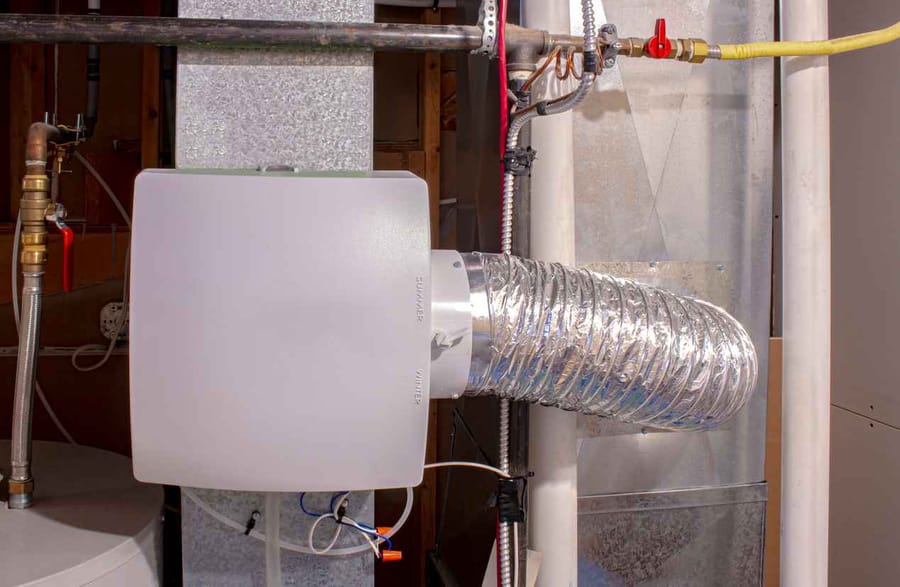
During Denver’s heating season, indoor air quality often declines without homeowners realizing it. As temperatures drop, homes stay sealed to keep warm, which limits fresh air circulation and allows pollutants to build up indoors. At the same time, heating systems run more frequently, circulating dust, allergens, and other contaminants throughout the home.
Poor indoor air quality can affect health, comfort, and HVAC performance throughout the winter months. This blog explains how heating season conditions impact indoor air quality in Denver homes, the problems poor air quality can cause, and why addressing these issues is important for a healthier and more comfortable home.
Why Indoor Air Quality Drops During Heating Season
Indoor air quality challenges become more noticeable during Denver’s heating season because homes are closed up for long periods. While this helps retain warmth, it also traps pollutants inside and limits the exchange of fresh outdoor air. Combined with dry winter conditions, these factors create an environment where indoor air quality can decline quickly.
Tightly Sealed Homes and Trapped Pollutants
To stay warm during winter, Denver homeowners often seal windows, doors, and gaps to prevent heat loss. While this improves energy efficiency, it can also cause:
-
Buildup of dust, allergens, and airborne particles
-
Reduced ventilation and fresh air exchange
-
Lingering indoor pollutants from daily activities
-
Circulation of the same air through the HVAC system
Without proper ventilation, contaminants remain inside the home and continue to circulate.
Dry Winter Air and Its Impact on Air Quality
Denver’s naturally dry winter climate affects indoor air quality in several ways. Low humidity can lead to:
-
Increased airborne dust and particles
-
Dry nasal passages and irritated airways
-
Static electricity that lifts particles into the air
-
Discomfort that makes indoor environments feel unhealthy
Dry air allows pollutants to stay suspended longer, making indoor air feel stale and uncomfortable during heating season.
Health Effects of Poor Indoor Air Quality in Denver Homes
Poor indoor air quality during heating season can have a direct impact on the health of everyone in the home. Because Denver residents spend more time indoors during winter, prolonged exposure to airborne pollutants often leads to noticeable symptoms that worsen as the season continues.
Allergy and Asthma Flare Ups
Indoor air pollutants become more concentrated in winter, which can trigger respiratory issues. Common effects include:
-
Increased allergy symptoms such as sneezing and congestion
-
Asthma flare ups caused by dust and airborne irritants
-
Greater sensitivity to pet dander and pollen brought indoors
-
Difficulty breathing during normal daily activities
When heating systems circulate polluted air, symptoms can persist even when outdoor air quality is good.
Headaches, Fatigue, and Respiratory Irritation
Poor indoor air quality can also affect overall wellness. Homeowners may experience:
-
Frequent headaches with no clear cause
-
Dry or irritated eyes, nose, and throat
-
Fatigue or trouble concentrating
-
Coughing or sinus irritation during extended indoor time
These symptoms are often linked to poor ventilation, dry air, and the buildup of indoor pollutants during heating season.
Comfort and Home Environment Problems
Poor indoor air quality does not just affect health. It also changes how comfortable your home feels during Denver’s heating season. Even when temperatures are set correctly, polluted or unbalanced air can make living spaces feel dusty, dry, or stale.
Excess Dust and Dry Air Discomfort
When indoor air quality drops, dust and dryness become more noticeable. Homeowners often experience:
-
Dust buildup on surfaces shortly after cleaning
-
Dry skin, cracked lips, and irritated sinuses
-
Static electricity throughout the home
-
Air that feels harsh or uncomfortable to breathe
Dry winter air allows dust and particles to stay airborne longer, making discomfort more persistent.
Lingering Odors and Stale Air
Without proper ventilation, odors can linger inside the home. Common issues include:
-
Cooking smells that do not dissipate
-
Pet odors that circulate through vents
-
Musty or stale air in closed rooms
-
Reduced freshness even after cleaning
These comfort problems often signal that indoor air is not being refreshed or filtered effectively during heating season.
How Poor Air Quality Strains Your HVAC System
Indoor air quality and HVAC performance are closely connected. When air inside the home contains higher levels of dust, debris, and contaminants, your heating system has to work harder to circulate and filter that air. Over time, poor air quality can reduce efficiency and increase wear on HVAC components during Denver’s heating season.
Dirty Filters and Restricted Airflow
As airborne particles increase, HVAC filters clog more quickly. This can lead to:
-
Reduced airflow through the system
-
Longer heating cycles to reach set temperatures
-
Uneven heat distribution throughout the home
-
Increased strain on the blower motor
Restricted airflow forces the system to run longer, which raises energy use and shortens equipment lifespan.
Increased System Runtime and Wear
When air quality issues are present, heating systems often operate less efficiently. Common consequences include:
-
More frequent system cycling
-
Higher energy consumption during winter months
-
Faster wear on motors and internal components
-
Greater risk of breakdowns during peak heating demand
Improving indoor air quality helps reduce unnecessary system strain and supports reliable heating performance throughout the season.
Common Indoor Air Pollutants in Denver Homes
During heating season, several common indoor pollutants tend to build up inside Denver homes. With limited ventilation and increased HVAC runtime, these contaminants circulate repeatedly, affecting air quality, comfort, and health.
Dust, Pet Dander, and Allergens
Everyday household activity contributes to airborne particles that linger longer in winter. Common sources include:
-
Dust from carpets, furniture, and clothing
-
Pet dander trapped indoors with limited ventilation
-
Pollen tracked in from outdoors on shoes and coats
-
Fibers released from bedding and upholstery
These particles are easily recirculated by heating systems and can trigger allergy and respiratory symptoms.
Combustion Byproducts and Household Chemicals
Heating season also increases exposure to certain gases and chemical pollutants. These may come from:
-
Gas furnaces and fireplaces
-
Cooking appliances and attached garages
-
Cleaning products and air fresheners
-
Paints, solvents, and stored household chemicals
Without adequate ventilation and filtration, these pollutants can accumulate and degrade indoor air quality throughout the winter.
Ways to Improve Indoor Air Quality During Heating Season
Improving indoor air quality during Denver’s heating season requires a combination of daily habits and professional solutions. Addressing air quality concerns not only supports better health and comfort but also helps your HVAC system operate more efficiently throughout the winter.
Air Filtration and Humidification Options
Upgrading air filtration and managing humidity can make a noticeable difference. Effective solutions include:
-
Using high quality HVAC air filters designed to capture smaller particles
-
Replacing filters more frequently during heating season
-
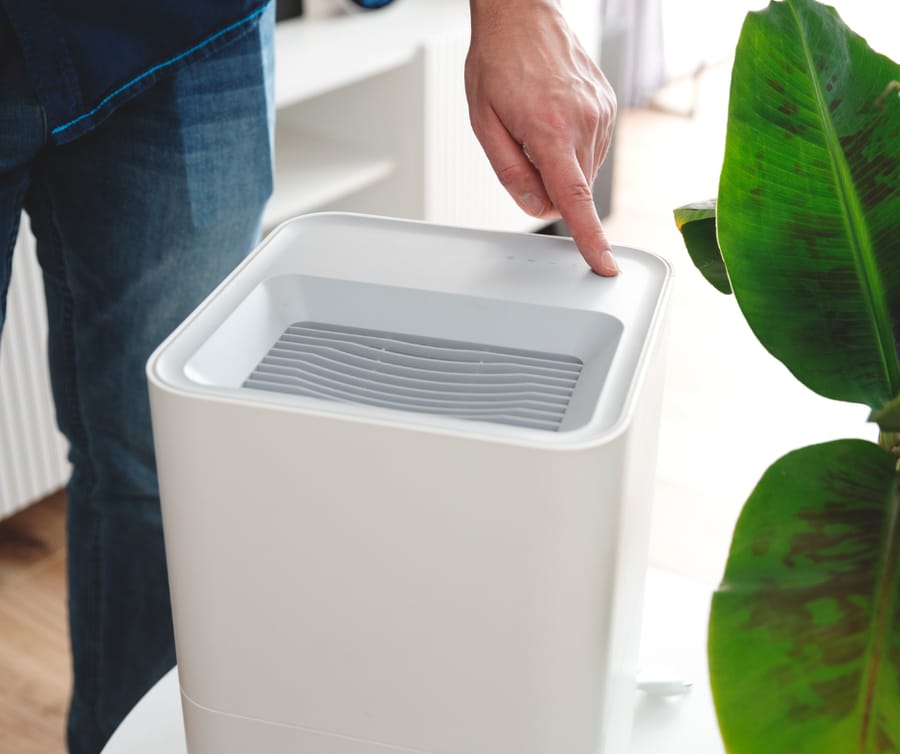
Adding whole home humidifiers to combat dry winter air
-
Maintaining balanced humidity levels for comfort and respiratory health
Proper filtration and humidity control reduce airborne irritants and improve overall indoor comfort.
Ventilation and Duct Cleanliness
Fresh air exchange and clean ductwork help prevent pollutant buildup. Important steps include:
-
Ensuring proper ventilation in kitchens and bathrooms
-
Allowing controlled fresh air intake when possible
-
Keeping ductwork clean to reduce dust circulation
-
Scheduling professional inspections when air quality issues persist
Improving ventilation and airflow helps remove stale air and replace it with cleaner, healthier indoor air during winter.
Improve Indoor Air Quality and Comfort in Your Denver Home This Winter
Poor indoor air quality during heating season can affect your health, comfort, and HVAC system performance. From increased allergens and dry air discomfort to higher energy use and system strain, winter air quality problems often worsen if they go unaddressed. Taking steps to improve filtration, humidity, and airflow can make a noticeable difference throughout the season.
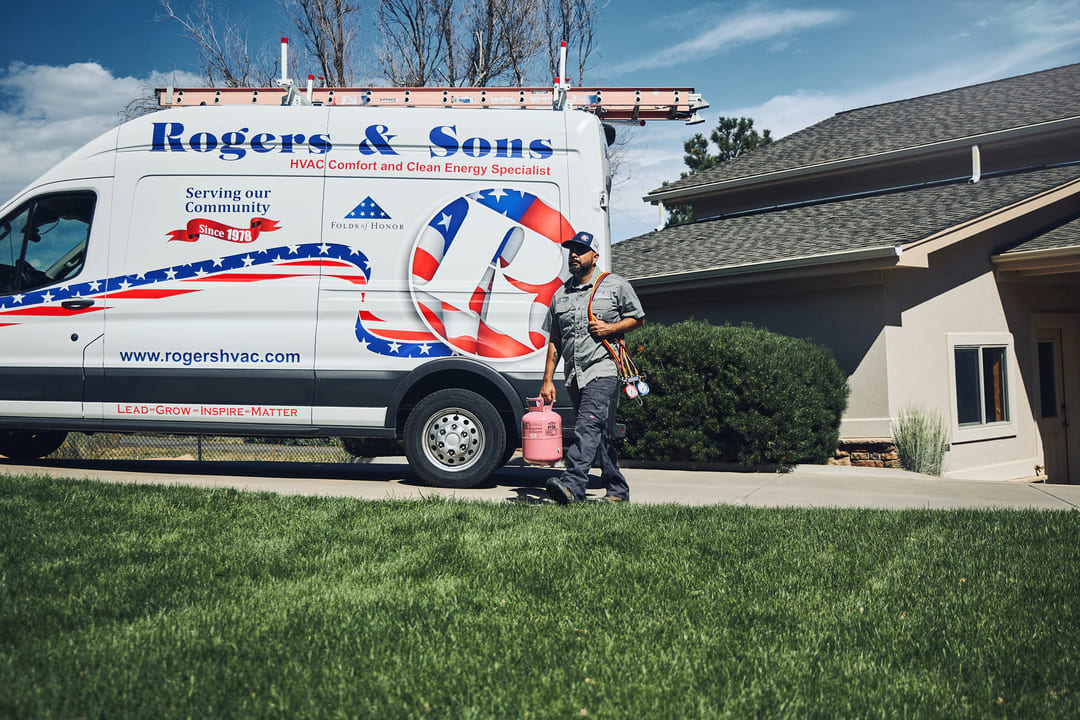
Rogers & Sons helps Denver homeowners identify and resolve indoor air quality issues with professional HVAC solutions designed for winter conditions. Whether your home feels dusty, dry, or uncomfortable during heating season, our team can help improve air quality and system performance.
Contact Rogers & Sons today to schedule an indoor air quality evaluation and breathe easier all winter long.

Here to Help