
greater Denver
Metro area



How Denver’s Dry Air Leads to More Dust and Allergens Inside the Home
Living in the Mile High City comes with undeniable perks: 300 days of sunshine, stunning mountain views, and a vibrant outdoor lifestyle. However, Denver residents also deal with a persistent, invisible roommate: incredibly dry air. Our high elevation and semi-arid climate mean that humidity levels often drop into the single digits, especially during the long heating season. While most people associate “dryness” with chapped lips and static shocks, there is a much more significant impact happening inside your home’s infrastructure. At Rogers & Sons, we’ve spent over 45 years engineering comfort for Denver’s most exceptional homes, and we’ve found that dry air is one of the leading contributors to excessive indoor dust and heightened allergy symptoms.
When the air in your home loses its moisture, it changes the physical behavior of the particles around you. In a humid environment, moisture clings to dust, making it heavy and causing it to settle on surfaces where it can be cleaned. In Denver’s dry air, that same dust becomes light, buoyant, and prone to staying airborne for hours. This guide explores the science behind our local “Dust Cycle” and explains why managing your home’s humidity is the most effective way to reclaim your indoor air quality.
The Science of Dry Air and Airborne Particles
In the world of Indoor Air Quality (IAQ), humidity is the great regulator. In Denver, the lack of moisture creates a “perfect storm” for airborne irritants.
-
Weight and Suspension: Water vapor acts as a natural “weight” for airborne particulates. In a humid room, dust, skin cells, and pet dander absorb moisture, become heavy, and fall to the floor. In our dry climate, these particles remain microscopic and “floaty.” Every time you sit on a sofa or walk across a rug, you kick up a cloud of dust that stays at breathing level for much longer than it would at sea level.
-
Static Electricity: Dry air is an excellent insulator, which allows static electricity to build up on surfaces. This charge turns your home’s walls, electronics, and even your clothes into “magnets” for dust. If you find yourself dusting your TV stand every two days, the culprit isn’t just a “dirty” house; it’s a dry one.
-
Respiratory Vulnerability: Perhaps most importantly, dry air dehydrates your body’s first line of defense: the mucous membranes in your nose and throat. When these passages are dry, they cannot effectively trap allergens, allowing dust and pollen to travel deeper into your respiratory system, causing the classic “Denver Hack” or persistent sinus irritation.
The “Dust Cycle” in a Denver Winter
As we move through the heating season, our homes are typically “sealed tight” to keep out the Colorado chill. While this is great for your Xcel Energy bill, it creates a closed-loop system for pollutants.
When your furnace kicks on, it pulls air from your rooms and pushes it through your ductwork. If that air is bone-dry, it picks up the settled dust in your vents and redistributes it throughout the house. This creates a continuous cycle where the same pollutants are stirred up every time the heat cycles on. At Rogers & Sons, we often see that “stale air” feeling in luxury estates is simply a byproduct of high-velocity air moving through an environment with 10% humidity.
Allergens That Thrive in the Dry
While some biological threats like mold prefer moisture, many of Denver’s most common allergens are “weaponized” by dry air.
-
Pet Dander: Dander is essentially microscopic skin flakes. In a dry home, these flakes become smaller and more brittle, allowing them to bypass standard air filters and lodge themselves in your upholstery and carpets.
-
Pollen Hitchhikers: During the spring thaw, outdoor pollen enters the home through doors and shoes. Once inside, it hitches a ride on static-charged dust particles, allowing it to circulate through your HVAC system long after the “bloom” has passed.
-
The Waste Problem: A common myth is that dry air eliminates dust mites. While mites do struggle to survive in very low humidity, their waste (the actual allergen) dries out and becomes a fine, powdery substance that is easily inhaled when the air lacks moisture.
The Solution: Whole-Home Humidification
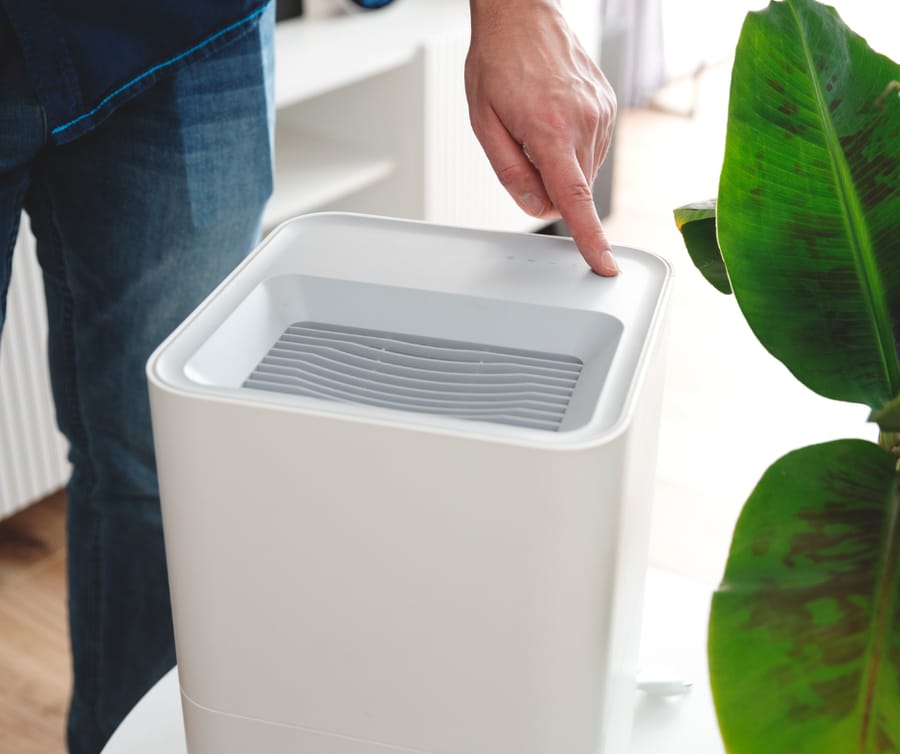
For many Denver homeowners, the first instinct is to buy a portable humidifier for the bedroom. However, these units often create more problems than they solve. Portable units are difficult to clean, require daily refilling, and can produce “White Dust,” a mineral byproduct of our local tap water that actually increases the particulate count in your home.
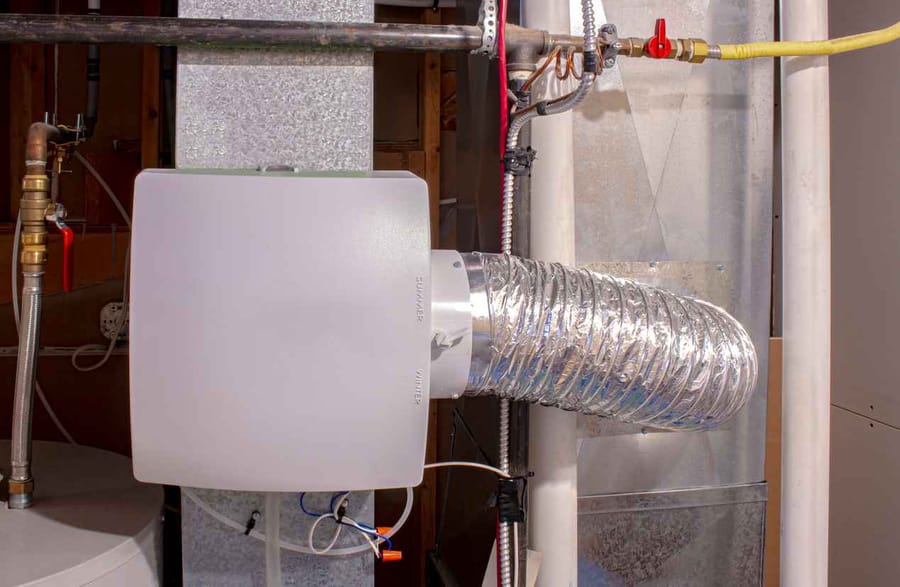
The Rogers & Sons approach focuses on whole-home integration. A whole-house humidifier (either steam or bypass) is installed directly into your HVAC system.
-
Consistent Coverage: It treats every cubic foot of air in the house simultaneously, ensuring that your hardwood floors and fine furniture are protected along with your health.
-
Automatic Control: Modern systems integrate with your smart thermostat, automatically adjusting the moisture levels based on the outdoor temperature to prevent window condensation while maintaining a healthy 30%–50% indoor humidity.
-
Low Maintenance: These systems pull water directly from your home’s plumbing and drain automatically, requiring only an annual professional check-up to stay in peak condition.
Advanced Filtration: Catching What the Air Carries
Once you have “weighted” the dust with proper humidity, you need a system to catch it. In 2026, we are moving beyond the standard 1-inch “rock catcher” filters toward high-efficiency solutions that provide medical-grade protection.
We specialize in HEPA and MERV 13–16 filtration systems that are integrated into your custom ductwork. These filters are designed to capture 99% of airborne particles without “choking” your high-efficiency furnace or heat pump. For luxury properties, we often recommend UV Germicidal Lights and Active Ionization systems (like the iWave or Reme Halo). These devices don’t just wait for the dust to hit the filter; they actively “scrub” the air by neutralizing bacteria and causing dust particles to clump together, making them easier to trap.
2026 Savings: Maximize Your Colorado Incentives
If your home’s air quality is suffering, 2026 is an ideal time to invest in modernization. The state of Colorado and local utilities have launched historic programs to help homeowners improve their indoor environments.
-
Colorado HEAR Program: In 2026, many households are eligible for up to $1,600 in rebates for “Insulation, Air Sealing, and Ventilation.” Improving your home’s “envelope” keeps the outdoor dust and ozone out while allowing your IAQ systems to work more efficiently.
-
Xcel Energy “Whole Home” Efficiency: Xcel offers a 25% bonus on rebates when you bundle multiple measures, such as a high-efficiency heat pump and professional air sealing.
-
The Rogers & Sons Advantage: As a registered contractor for these programs, we handle the technical assessments and paperwork, ensuring your project meets all 2026 standards for maximum financial return.
The Rogers & Sons Difference: Precision Comfort
At Rogers & Sons, we believe comfort is a matter of engineering. Since 1978, we have been the trusted partner for Denver’s most exceptional homes because we understand that luxury is lived in the details, the silent operation of a humidifier, the crispness of purified air, and the reliability of a custom-designed system.
We provide more than just HVAC service; we provide concierge-level mechanical care. From full design-build capabilities for new estates to discreet maintenance for historic residences, our team brings three generations of expertise to every project. We don’t believe in generic fixes. We assess your home’s specific airflow, filter quality, and system layout to design a custom solution that fits your family’s lifestyle.
Breathe Better in the Mile High City
Denver’s dry air is a fact of life, but it shouldn’t dictate your health or the cleanliness of your home. By managing your humidity and upgrading your filtration, you can transform your living space from a “dust trap” into a high-performance sanctuary. Don’t let another season of dry, dusty air impact your comfort. Reclaim your environment with the precision and care that only Rogers & Sons can provide.
Elevate your indoor air quality today. Contact Rogers & Sons to schedule your indoor air quality service and find the perfect whole-home solution for your Denver residence.


Here to Help